
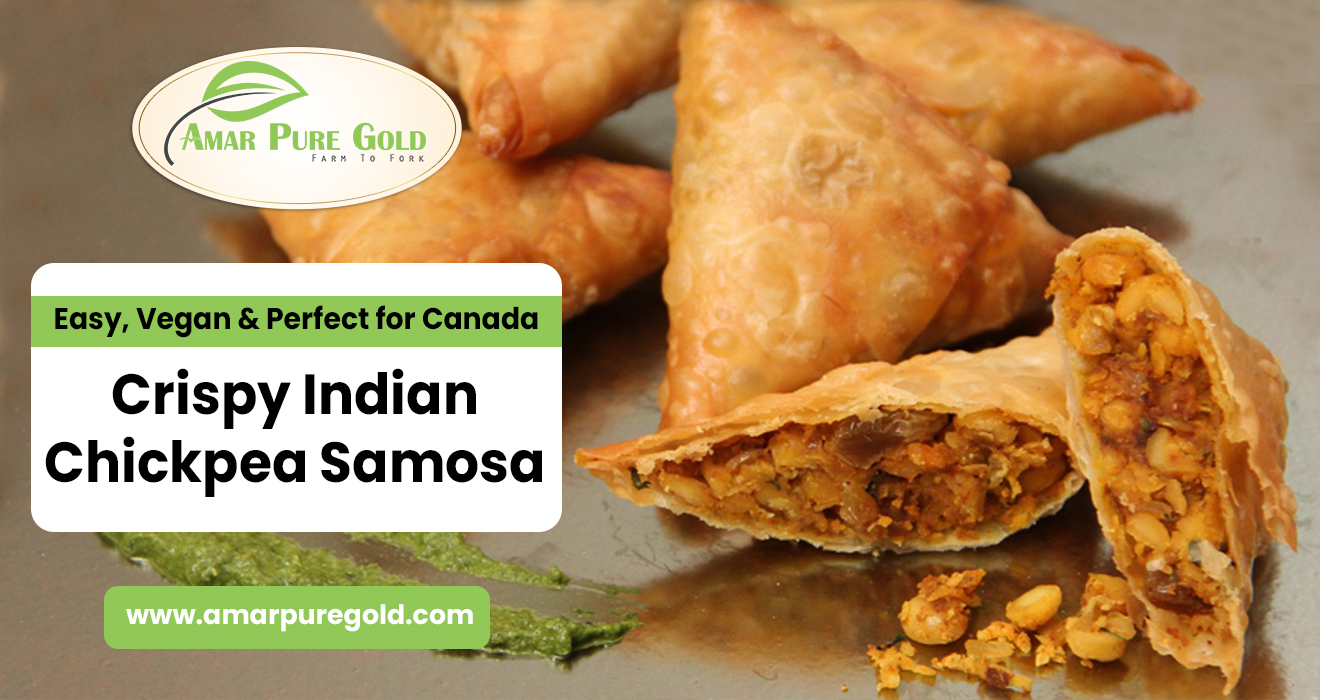
If you’re searching for a crispy, flavorful chana samosa recipe, you’re in the right place. This Indian-style chickpea samosa is a delicious twist on the classic snack, replacing the usual potato filling with protein-rich, spiced chickpeas. The result is a more textured, slightly tangy, and deeply satisfying snack that is loved not only in India but also across Canada especially in cities like Toronto, Brampton, Surrey, and Vancouver.
Whether you’re preparing snacks for a family gathering, looking for a vegan appetizer, or simply craving Indian street food at home, this easy chana samosa recipe will guide you step-by-step. Plus, with options to deep fry, bake, or air fry, you can choose a method that fits your lifestyle.
What is Chana Samosa?
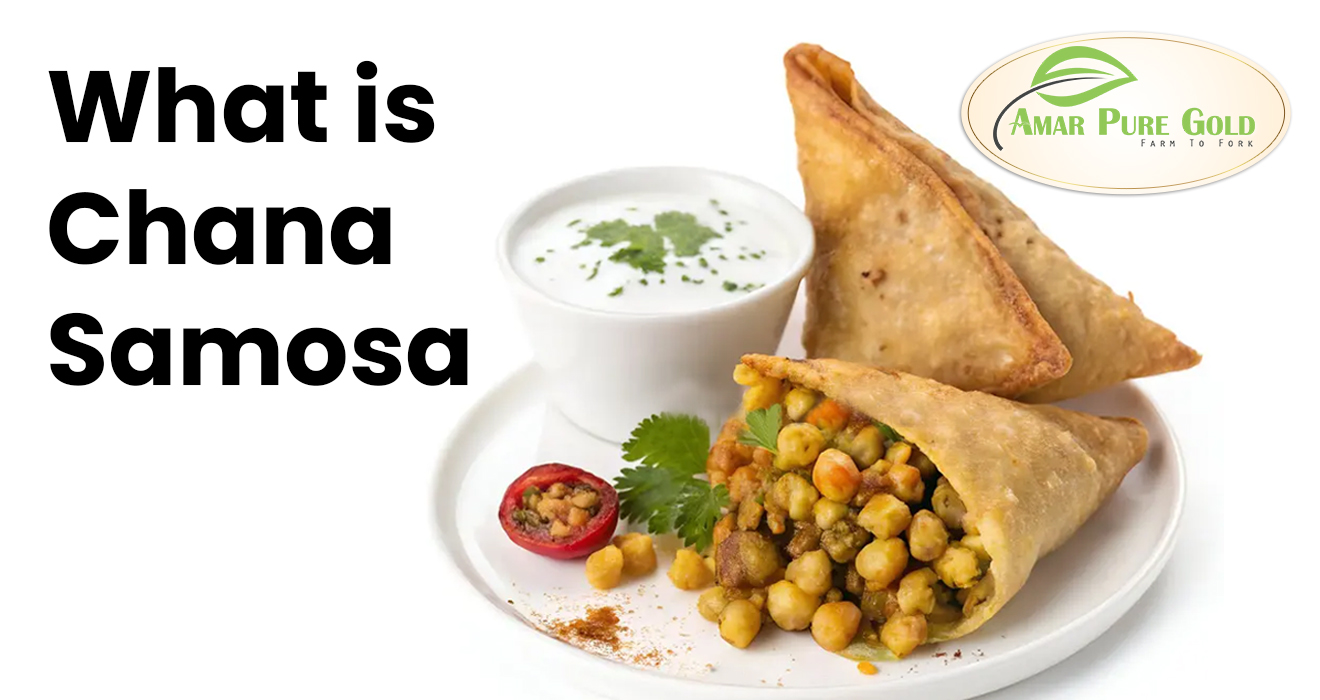
Chana samosa is a variation of the traditional samosa where the filling is made using spiced chickpeas (chana) instead of potatoes. While aloo samosa is softer and mildly spiced, chana samosa offers a firmer bite, richer spices, and a slightly tangy flavor profile.
This variation is particularly popular in:
- North Indian street food culture
- Chaat dishes (like samosa chaat)
- Modern fusion and vegan menus
Why Choose Chana Samosa?
- Higher protein content than potato samosa
- Naturally vegan (if made with oil)
- More filling and nutritious
- Perfect for meal prep and freezing
Ingredients (With Canadian Substitutions)
For the Dough:
- 2 cups all-purpose flour (maida)
- 3–4 tablespoons oil or melted ghee
- ½ teaspoon salt
- Water (for kneading)
Explanation:
The dough is the foundation of a good samosa. Adding oil (known as “moyan”) ensures the outer layer becomes crispy and flaky instead of soft or chewy.
In Canada:
All-purpose flour is easily available at stores like Walmart, Loblaws, or No Frills.
For the Chana (Chickpea) Filling:
- 1 cup boiled chickpeas OR canned chickpeas (drained and rinsed)
- 1 medium onion (finely chopped)
- 1 green chili (finely chopped)
- 1 teaspoon ginger-garlic paste
- 1 teaspoon cumin seeds
- 1 teaspoon coriander powder
- ½ teaspoon turmeric powder
- 1 teaspoon red chili powder
- 1 teaspoon garam masala
- 1 teaspoon chaat masala
- Salt to taste
- Fresh coriander leaves (chopped)
- 1 teaspoon lemon juice
- 2 tablespoons oil
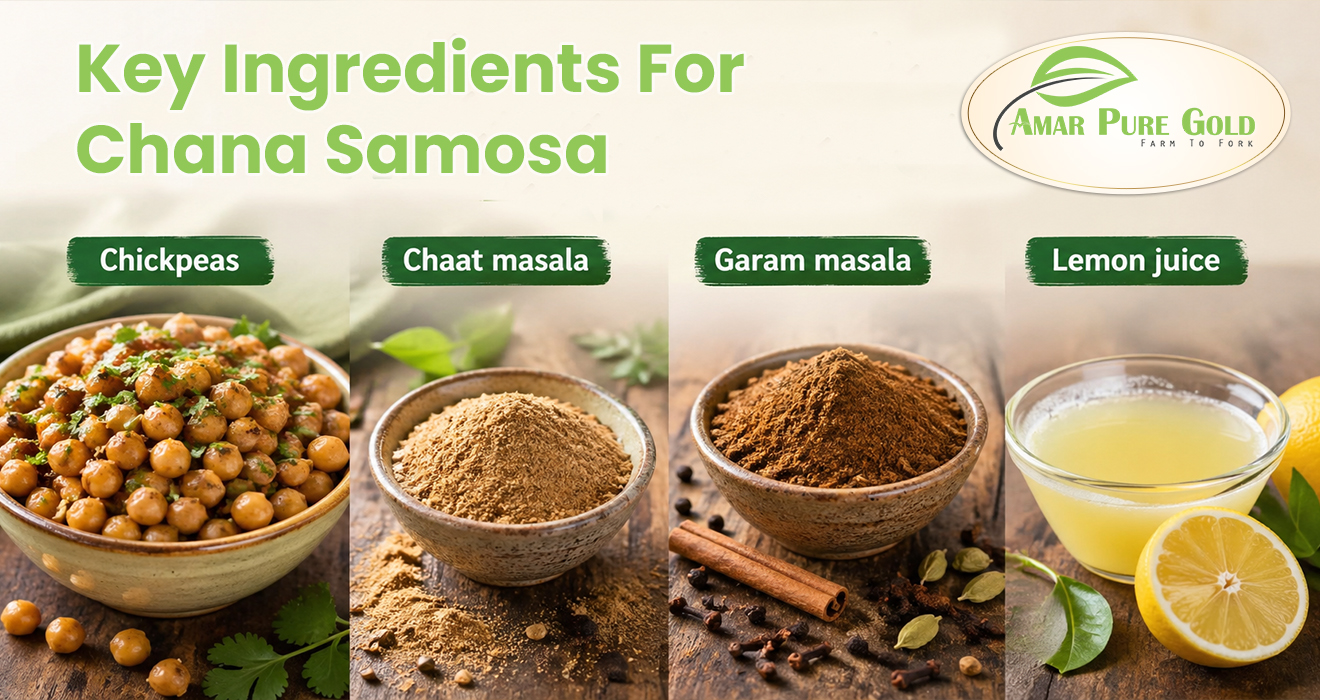
Explanation of Key Ingredients:
- Chickpeas: Provide protein and texture
- Chaat masala: Adds tanginess (signature street-food flavor)
- Garam masala: Gives warmth and depth
- Lemon juice: Balances spices with acidity
In Canada:
Spices like garam masala and chaat masala are available in Indian grocery stores or international aisles.
Step-by-Step Preparation (With Detailed Explanation)
Step 1: Preparing the Dough
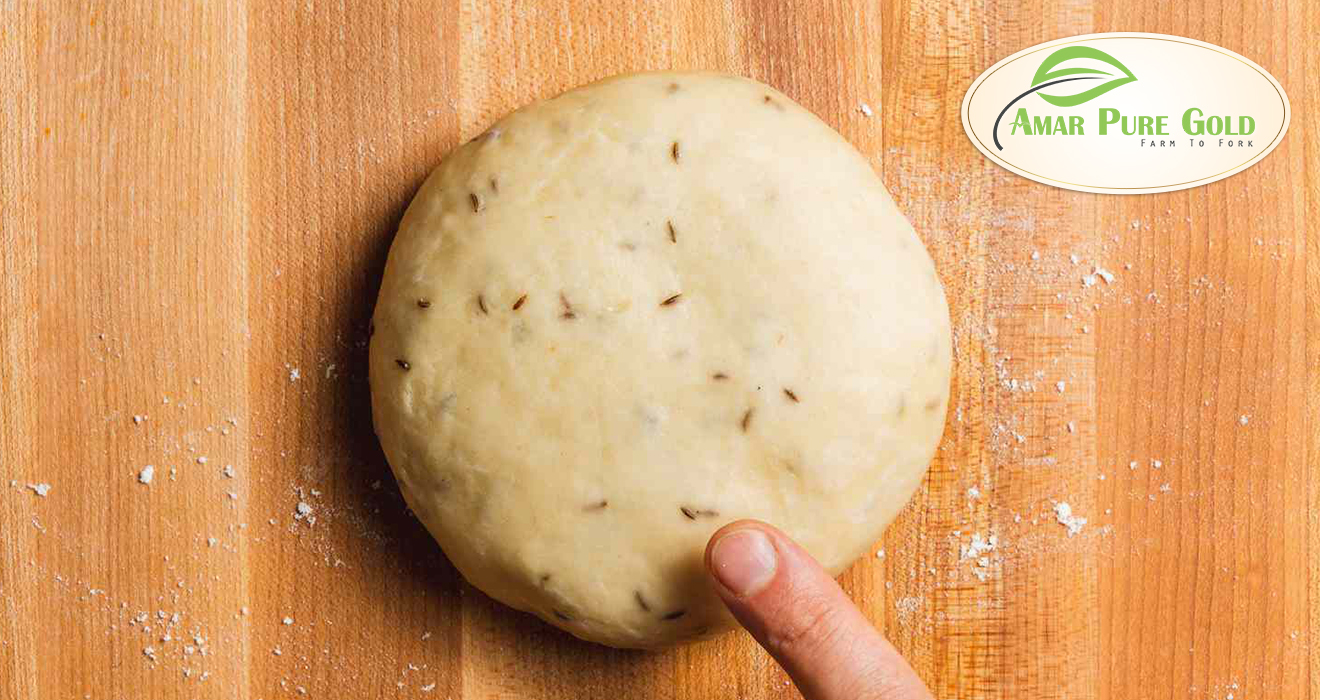
In a large bowl:
- Mix flour and salt
- Add oil and rub it into the flour using your fingers
- Keep rubbing until the mixture resembles breadcrumbs
- Add water gradually and knead into a firm dough
Cover the dough and let it rest for 20–30 minutes.
Why this step is important:
- The oil coating prevents gluten from forming too strongly
- This creates a crispy, flaky crust
- Resting relaxes gluten, making rolling easier
Common mistake:
Soft dough = soggy samosas
Step 2: Making the Chana Filling
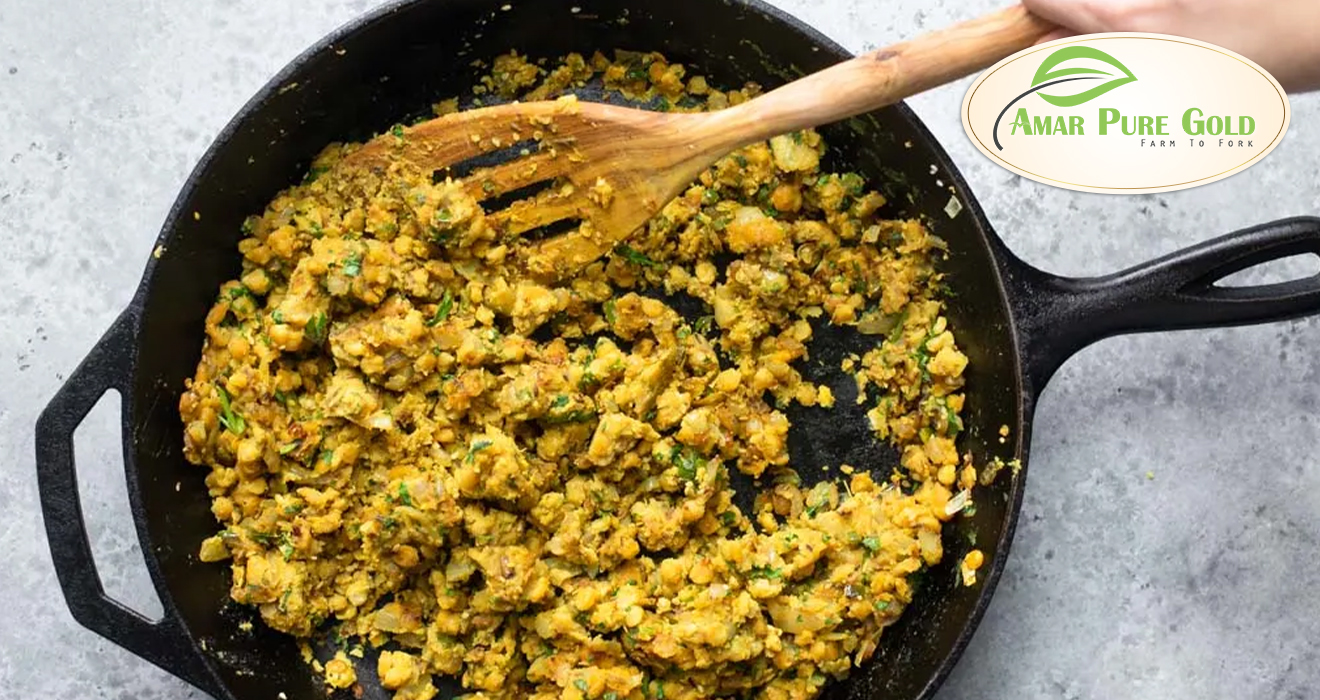
Heat oil in a pan and follow this sequence:
- Add cumin seeds → let them crackle
- Add chopped onions → sauté until golden
- Add ginger-garlic paste and green chili
- Add dry spices:
- Turmeric
- Coriander powder
- Red chili powder
- Salt
Cook for 1 minute.
Now:
- Add chickpeas
- Lightly mash some of them (do not fully mash)
Cook for 3–4 minutes, then add:
- Garam masala
- Chaat masala
- Lemon juice
- Fresh coriander
Mix well and let the filling cool.
Why partial mashing?
A mix of mashed and whole chickpeas creates a perfect balance of texture and binding.
Important tip:
The filling should be dry, not wet—otherwise samosas may break while frying.
Step 3: Shaping the Samosas
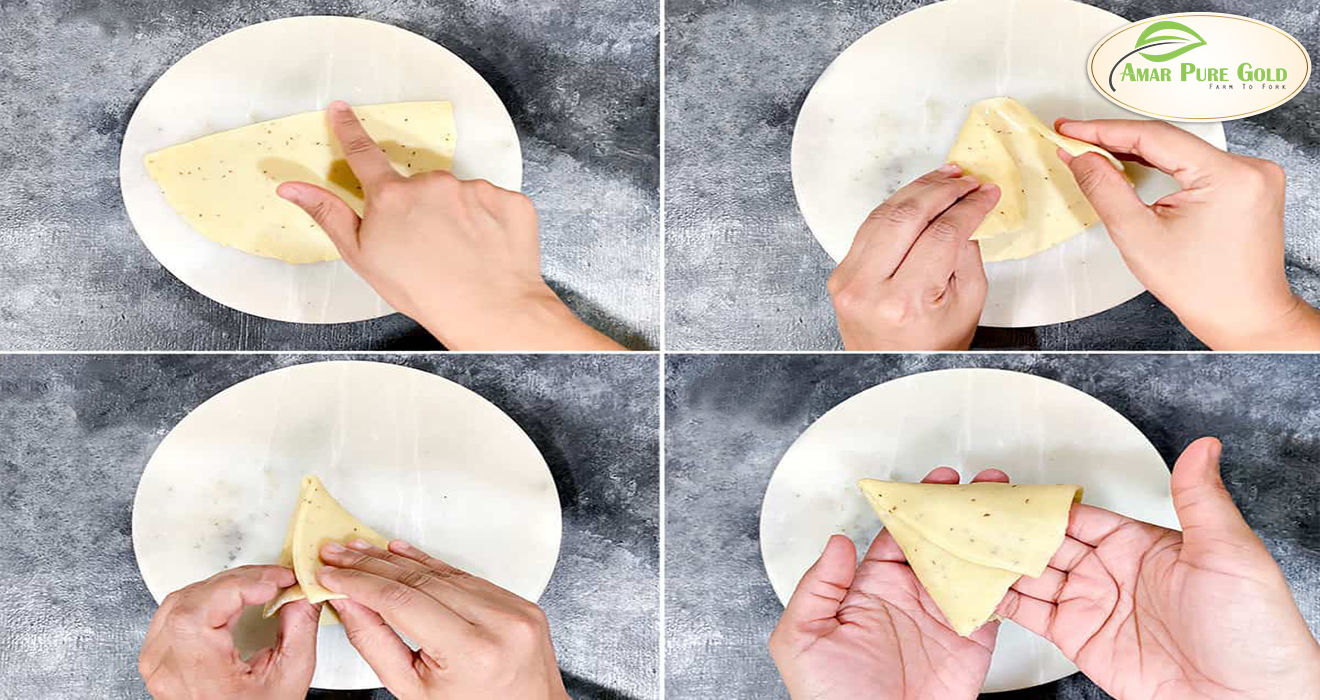
- Divide dough into small balls
- Roll each into an oval shape
- Cut into two halves
- Take one half and form a cone
- Seal the edge with water
- Fill with chana mixture
- Seal the top tightly
Why sealing matters:
If not sealed properly:
- Oil enters the samosa
- Filling leaks out
Pro tip:
Press edges firmly and avoid overfilling.
Cooking Methods (Choose Your Style)
1. Deep Fry (Traditional Method)
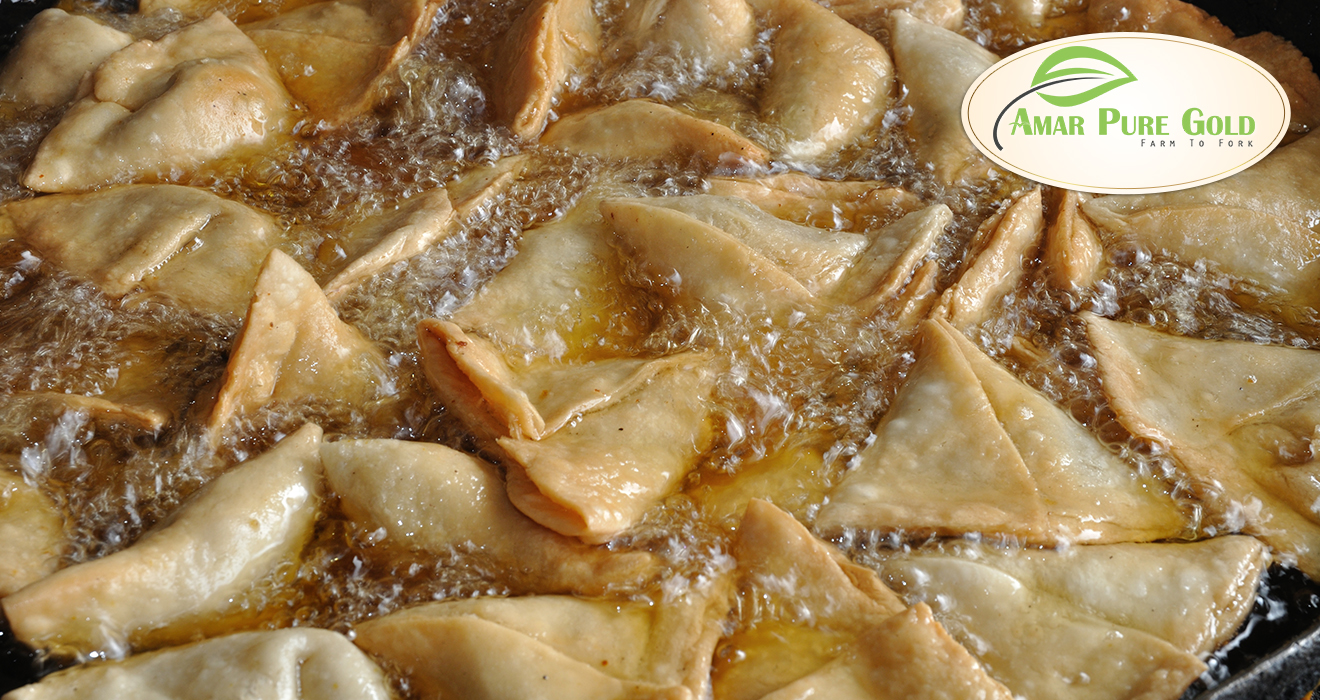
- Heat oil on low-medium flame
- Add samosas gently
- Fry slowly until golden brown
Explanation:
Low heat ensures:
- Even cooking
- Crisp outer layer
- No bubbles or burning
2. Air Fryer Method (Popular in Canada)
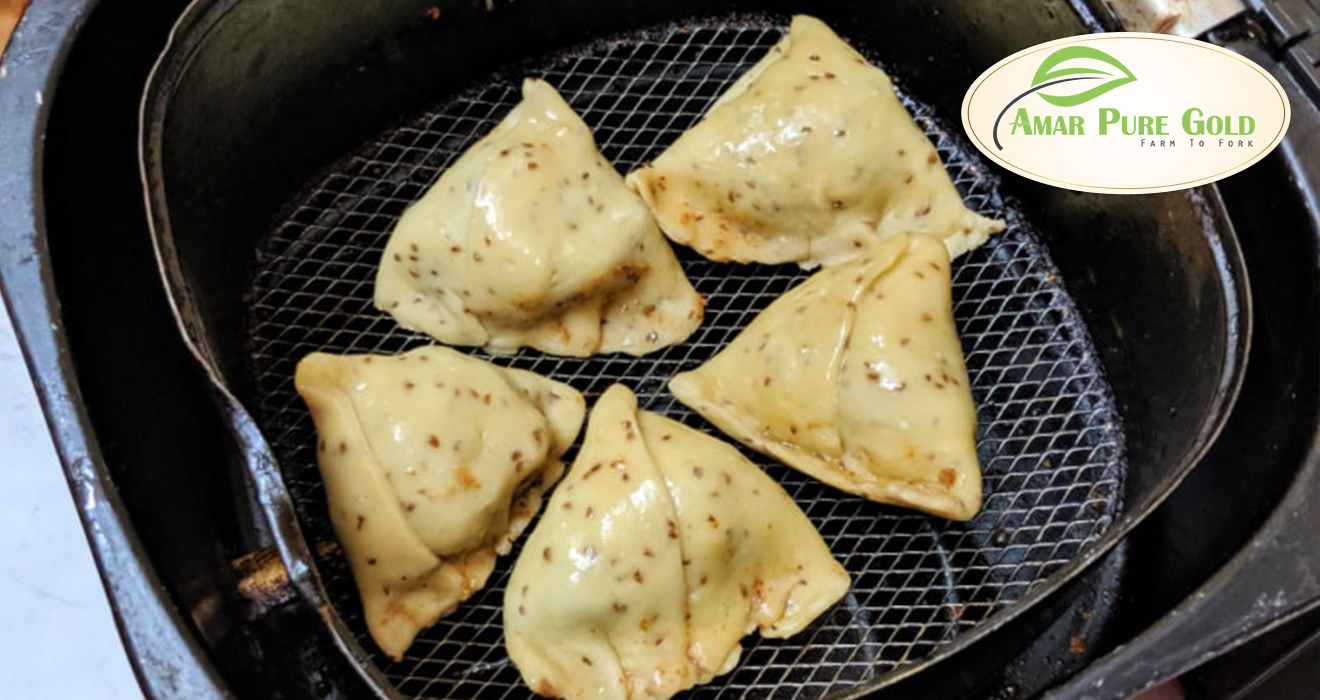
- Preheat air fryer to 180°C (356°F)
- Brush samosas with oil
- Air fry for 12–15 minutes
- Flip halfway
Why this is popular:
- Uses less oil
- Faster cooking
- Healthier option
3. Oven-Baked Method
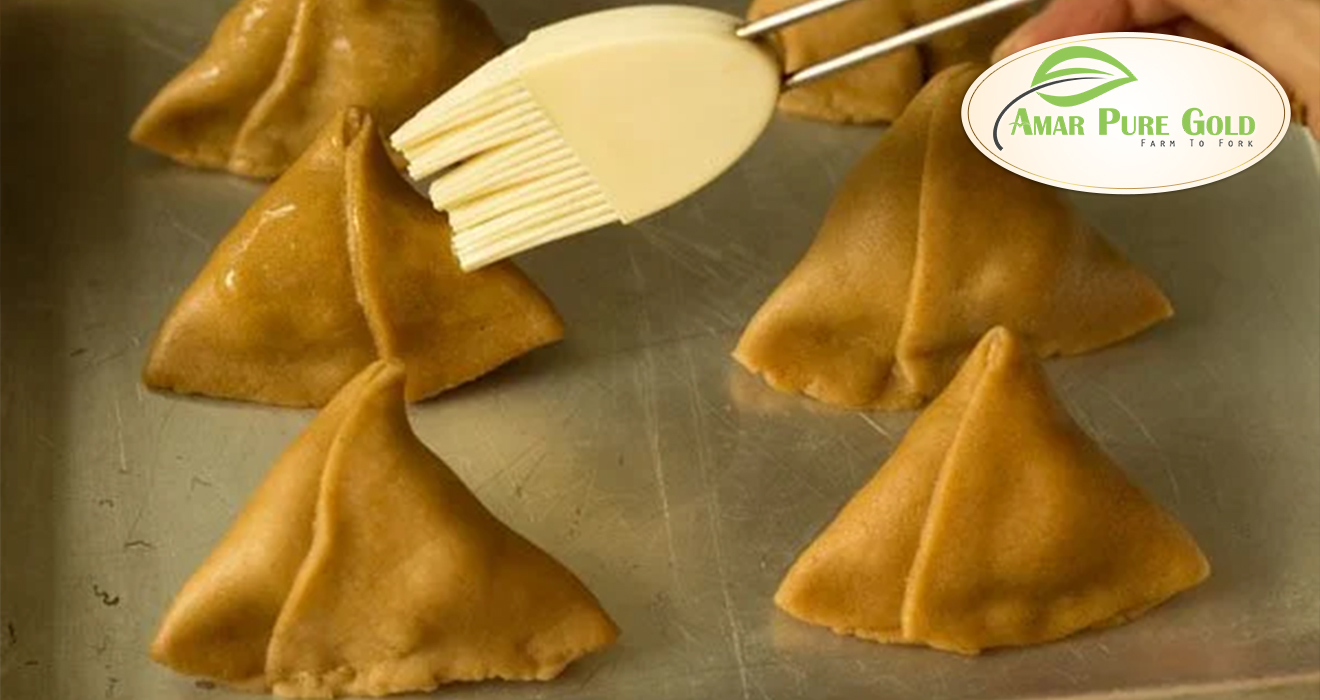
- Preheat oven to 200°C (392°F)
- Place samosas on baking tray
- Bake for 20–25 minutes
Tip:
Brush with oil for better color and crispiness.
Serving Suggestions (Street-Style & Canadian Twist)
Serve hot with:
- Mint chutney
- Tamarind chutney
For samosa chaat style:
- Crush samosa
- Add yogurt
- Add chutneys
- Sprinkle onions and sev
Canadian twist:
Serve as party appetizers with dips like:
- Garlic mayo
- Spicy yogurt dip
Storage & Freezing Guide
One of the biggest advantages of samosas is that they are freezer-friendly.
How to Store:
- Place uncooked samosas on tray
- Freeze until solid
- Transfer to airtight container
Shelf Life:
- Up to 1 month in freezer
Cooking from Frozen:
- No need to thaw
- Fry or air fry directly
Perfect for:
- Busy schedules
- Winter snacking
Expert Tips for Perfect Chana Samosa
- Always use firm dough
- Fry on low heat
- Keep filling dry
- Do not overfill
- Seal edges tightly
- Add lemon or amchur for tang
Why Chana Samosa is Popular in Canada
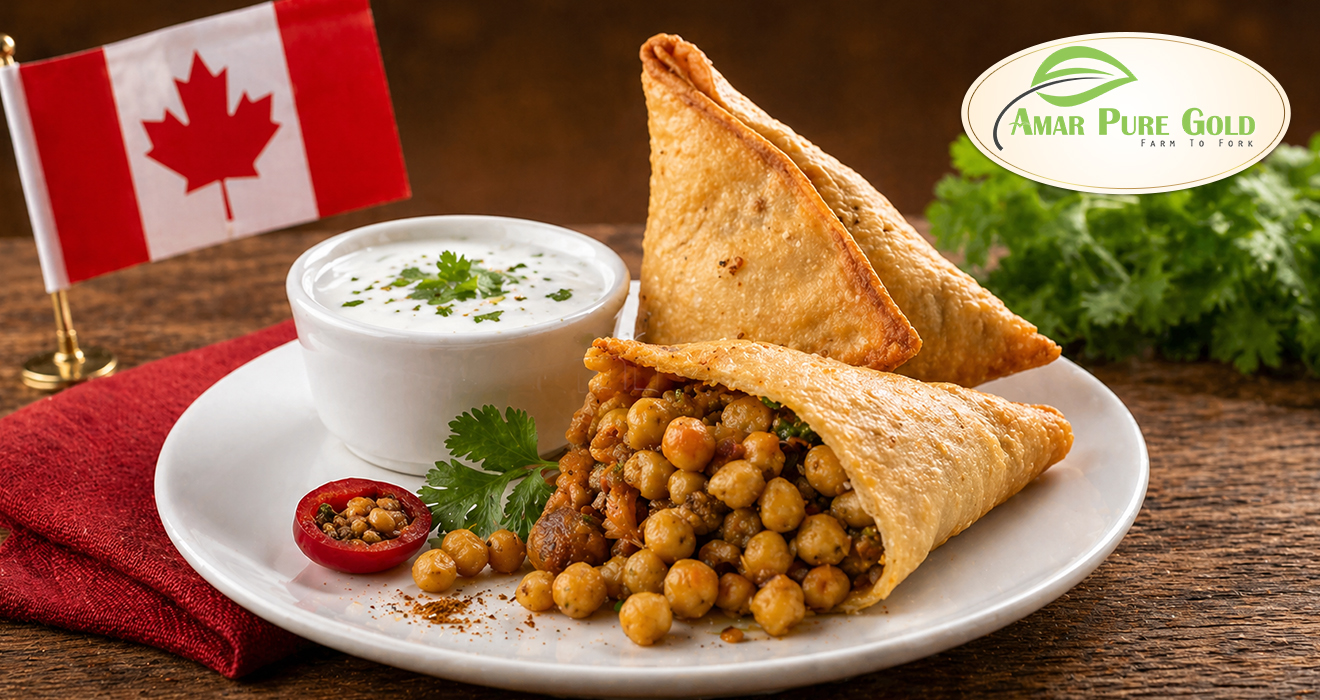
Canada’s multicultural food scene has embraced Indian cuisine, and samosas are now a staple snack across the country. From restaurants in Brampton to frozen aisles in supermarkets, samosas are everywhere.
Chana samosa is gaining popularity because:
- It fits vegan and vegetarian diets
- It offers a healthier alternative
- It appeals to both Indian and non-Indian audiences
Final Thoughts
This chana samosa recipe brings together everything you want in a snack—crispiness, spice, and satisfaction. Whether you’re making them for a cozy winter evening, a festive gathering, or simply to enjoy with chai, these chickpea samosas are sure to impress.
With flexible cooking methods, easy-to-find ingredients in Canada, and freezer-friendly convenience, this recipe is practical, delicious, and perfect for modern kitchens.
FAQ Related To Chana Samosa
What is Chana Samosa?
Chana samosa is a popular Indian street food where crispy samosas are served with a spicy chickpea curry (chana) and topped with chutneys, yogurt, and fresh herbs. It’s a flavorful and filling snack that combines crunchy and tangy tastes in one dish.
What is Chana?
Chana refers to chickpeas, especially the smaller and darker variety known as kala chana. In Indian cooking, chana is usually boiled and cooked with spices to make dishes like chana masala or chole.
What’s the Difference Between Samosa and Samosa Chaat?
- Samosa: A deep-fried pastry filled with spiced potatoes, peas, or meat. It is usually eaten on its own with chutney.
- Samosa Chaat: A more elaborate dish where samosas are crushed and topped with chana (chickpeas), yogurt, chutneys, onions, and spices. It has a mix of sweet, spicy, and tangy flavors.
How Many Calories in 2 Samosa Chana Chaat?
The calories can vary depending on ingredients and portion size, but on average:
- 2 samosas: 250–300 calories each
- Chana (1 cup): ~200 calories
- Chutneys & toppings: 100–150 calories