
Introduction
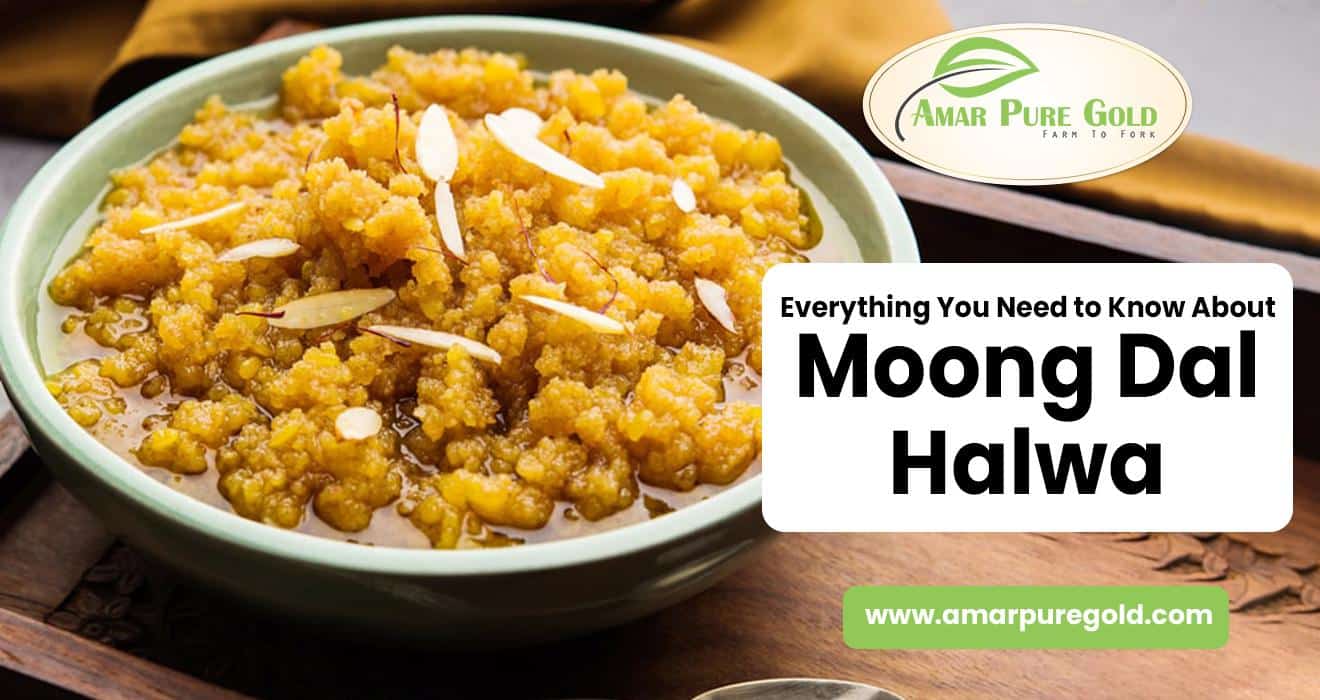
Among India’s vast range of traditional sweets, Moong Dal Halwa holds a special place for its richness, depth of flavor, and nostalgic warmth. Known for its indulgent texture and slow-cooked perfection, this dessert is often associated with winter seasons, festive celebrations, and grand family gatherings. Made primarily from yellow lentils (moong dal), ghee, sugar, and milk, moong dal halwa is a symbol of patience, craftsmanship, and authentic Indian mithai culture.
Unlike quick desserts, moong dal halwa demands time and attention, making it not just a dish but an experience—both in preparation and in consumption. Its grainy-yet-smooth texture, aromatic ghee fragrance, and melt-in-the-mouth consistency make it one of the most loved sweets across India.
Origin and Cultural Significance
Moong dal halwa is believed to have originated in the northern regions of India, particularly in states like Rajasthan, Punjab, and Uttar Pradesh. Traditionally prepared during winters, it is considered a warming dessert due to its high energy content and the use of desi ghee.
In Indian households, moong dal halwa is often made during:
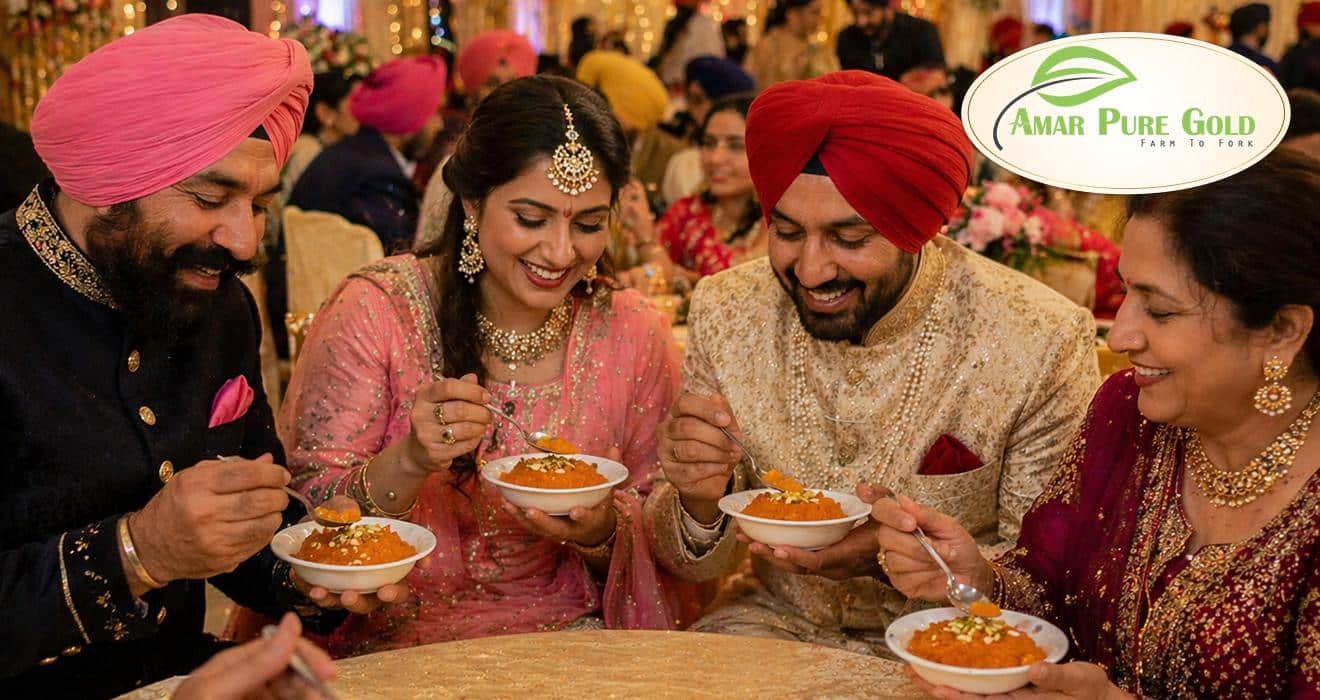
- Weddings and special occasions
- Festivals like Diwali and Holi
- Winter family gatherings
- Religious ceremonies and celebrations
Its preparation is often seen as a labor of love. In many families, elders pass down the technique of making the perfect halwa, ensuring that the legacy of authentic taste continues across generations.
Ingredients Used in Moong Dal Halwa
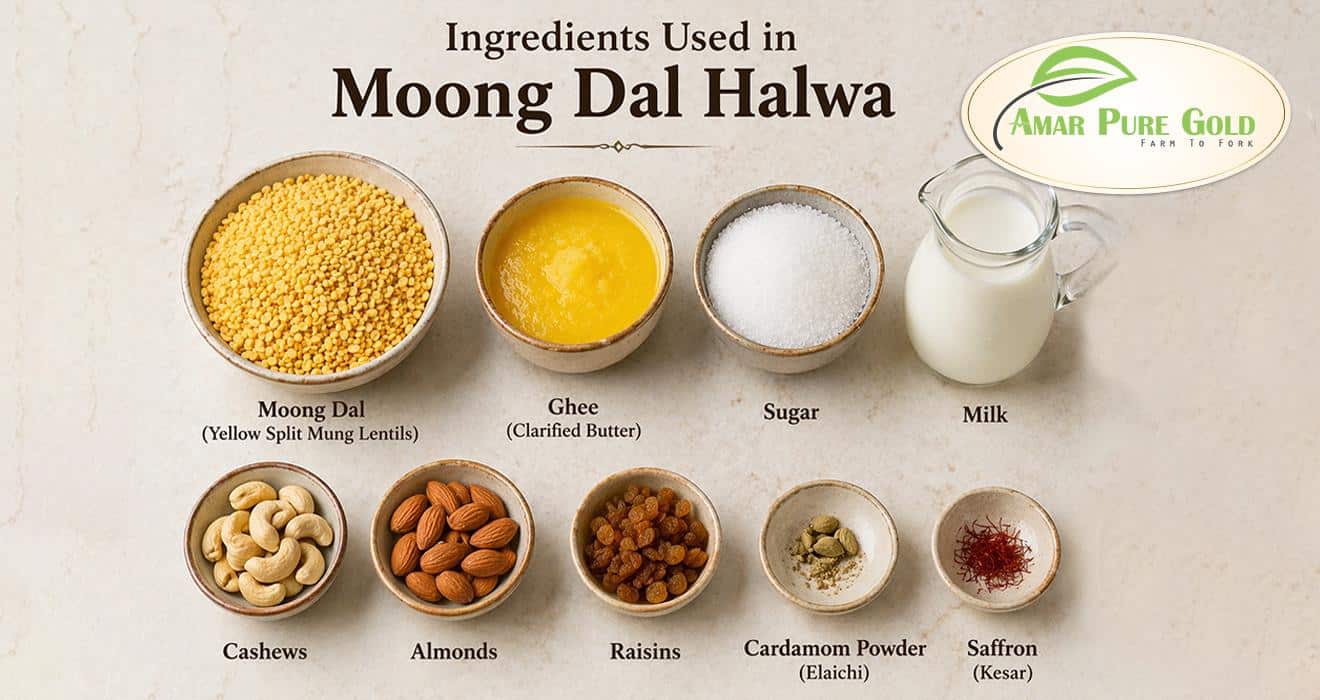
The beauty of moong dal halwa lies in its simple yet premium ingredients. Each component plays a vital role in achieving the final texture and flavor.
Core Ingredients:
- Yellow Moong Dal (Split Green Gram) – The base ingredient, soaked and ground
- Desi Ghee – Provides richness and aroma
- Sugar – Adds sweetness and caramelization
- Milk or Water – Helps in cooking and enhancing texture
Flavor Enhancers:
- Cardamom powder (elaichi)
- Saffron strands (kesar)
- Dry fruits like almonds, cashews, and pistachios
- Sometimes khoya (mawa) for extra richness
The balance between these ingredients determines whether the halwa turns out perfectly soft, grainy, and aromatic.
Step-by-Step Moong Dal Halwa – Quick Recipe (Brief)
Ingredients
- 1 cup yellow moong dal (soaked 4–5 hours)
- ¾–1 cup desi ghee
- 1 cup sugar
- 1 cup milk (or water)
- ½ tsp cardamom powder
- Few saffron strands (optional)
- Dry fruits (almonds, cashews, pistachios)
Method (Step-by-Step)
- Soak & Grind
Soak moong dal for 4–5 hours. Drain and grind into a coarse paste (not too smooth). - Roast in Ghee
Heat ghee in a heavy pan (kadhai). Add dal paste and cook on low flame.
Stir continuously for 30–40 minutes until:
- Color turns golden brown
- Ghee starts separating
- Aroma becomes rich and nutty
- Add Liquid
Slowly add warm milk (or water). Mix carefully as it may splutter. Cook till absorbed. - Add Sugar
Add sugar and mix well. The halwa will loosen, then thicken again. - Flavor & Garnish
Add cardamom, saffron, and dry fruits. Cook until glossy and thick.
Final Tip
Serve hot with extra ghee drizzle and nuts on top.
Slow roasting is the key—that’s what gives authentic taste to Moong Dal Halwa.
Texture and Taste Profile
Moong dal halwa is known for its unique texture that is:
- Slightly grainy yet soft
- Rich and dense
- Smoothly coated in ghee
The taste is:
- Deeply caramelized
- Nutty and aromatic
- Balanced between sweetness and richness
Unlike syrupy sweets, moong dal halwa has a roasted depth that makes it stand out.
Nutritional Value
While moong dal halwa is considered an indulgent dessert, it also offers some nutritional benefits due to its base ingredient—moong dal.
Nutritional Highlights:
- Protein-rich due to lentils
- Contains healthy fats from ghee
- Provides instant energy
- Rich in micronutrients like iron and magnesium
However, due to high sugar and ghee content, it is best consumed in moderation.
Why Moong Dal Halwa is a Winter Favorite
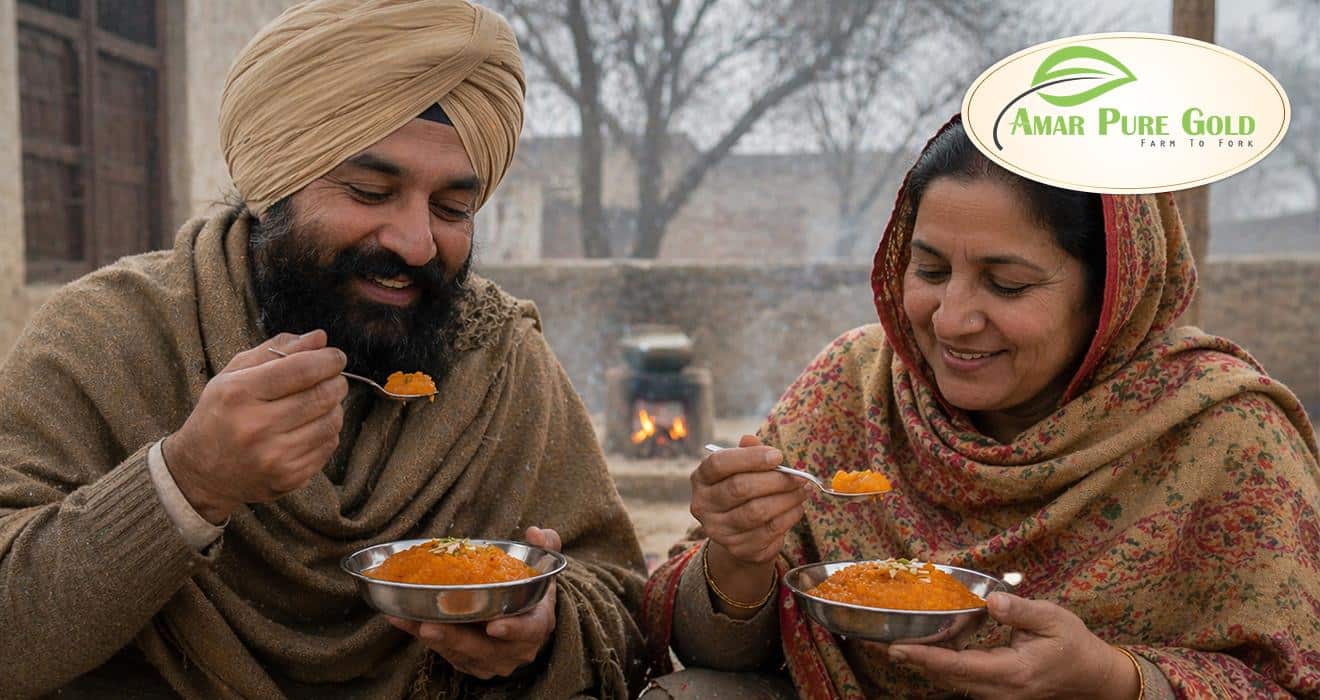
Moong dal halwa is especially popular during winters because:
- It generates warmth in the body
- Ghee acts as a natural energy booster
- It is heavy and satisfying, ideal for cold weather
In North India, it is commonly served hot, making it a comforting dessert during chilly evenings.
Variations of Moong Dal Halwa
Over time, chefs and sweet makers have experimented with different variations while retaining the essence of the dish.
Popular Variations:
- Khoya Moong Dal Halwa – Extra richness with added mawa
- Sugar-Free Version – Made with natural sweeteners
- Vegan Halwa – Uses plant-based alternatives instead of ghee and milk
- Instant Moong Dal Halwa Mix – Ready-to-cook versions for convenience
Despite these innovations, the traditional slow-cooked version remains unmatched in flavor.
Storage and Shelf Life
Moong dal halwa can be stored and enjoyed later with proper handling.
Storage Guidelines:
- Refrigerate in an airtight container
- Shelf life: 4–5 days in the refrigerator
- Reheat before serving for best taste
For longer storage, freezing is possible, but fresh preparation is always preferred for authentic flavor.
Serving Suggestions
Moong dal halwa is best enjoyed:
- Hot or warm
- Garnished with chopped dry fruits
- Alongside a scoop of vanilla ice cream (modern twist)
- As part of festive thali meals
It pairs beautifully with winter meals and festive spreads, adding richness to the dining experience.
Commercial and Modern Relevance
In today’s evolving food industry, moong dal halwa has adapted to modern needs. With the rise of packaged and frozen foods, this traditional dessert is now available in:
- Ready-to-eat packs
- Frozen formats with long shelf life
- Export-quality packaging for global markets
Brands focusing on Indian sweets are making moong dal halwa accessible to the global Indian diaspora, ensuring that traditional flavors travel beyond borders while maintaining consistency and hygiene.
Tips for Making Perfect Moong Dal Halwa
To achieve the best results, consider these expert tips:
- Always roast the dal on low flame
- Stir continuously to prevent burning
- Use high-quality desi ghee
- Maintain the right balance of sugar and milk
- Do not rush the cooking process
The secret lies in patience—rushing can compromise both texture and taste.
Conclusion
Moong dal halwa is more than just a dessert—it is a reflection of Indian culinary heritage, patience, and indulgence. From its humble ingredients to its luxurious final form, every step of its preparation tells a story of tradition and craftsmanship.
Whether served at weddings, festivals, or simple family gatherings, moong dal halwa continues to bring warmth, joy, and a sense of nostalgia to every occasion. In a world moving towards convenience, this timeless dessert reminds us of the beauty of slow cooking and authentic flavors.
For anyone looking to experience the richness of Indian sweets, moong dal halwa remains an essential delicacy—one that truly melts in the mouth and lingers in memory.
Frequently Asked Questions (FAQs) – Moong Dal Halwa
1. What are the ingredients of moong dal halwa?
The main ingredients of Moong Dal Halwa include:
- Yellow moong dal (soaked and ground)
- Desi ghee
- Sugar
- Milk or water
For flavor, ingredients like cardamom, saffron, and dry fruits (almonds, cashews, pistachios) are added. Some versions also include khoya for extra richness.
2. Is moong dal halwa healthy?
Moong dal halwa has both nutritional and indulgent qualities. It provides protein from lentils and energy from ghee. However, it is also high in sugar and calories.
So, it is nutritious but should be consumed in moderation.
3. What are some common mistakes in making moong dal halwa?
Common mistakes include:
- Not roasting the dal properly (raw taste)
- Cooking on high flame (burning risk)
- Grinding dal too fine (loss of texture)
- Adding sugar too early
- Not stirring continuously
The key is slow cooking and constant stirring.
4. Is moong dal halwa good for diabetes?
Traditional moong dal halwa is not suitable for diabetics due to high sugar content.
However, a modified version with sugar substitutes and less ghee can be consumed in very limited quantities, only after medical advice.
5. What are the benefits of moong dal halwa?
Moong dal halwa offers some benefits when eaten occasionally:
- Good source of protein
- Provides instant energy
- Helps keep the body warm in winters
- Contains essential nutrients like iron and magnesium
- Relatively easy to digest (in small portions)
6. Can I eat moong dal halwa during weight loss?
Moong dal halwa is not ideal for weight loss due to its high calorie content.
However, you can still enjoy it:
- In small portions
- Occasionally
- With reduced sugar and ghee
Balance and portion control are key.