
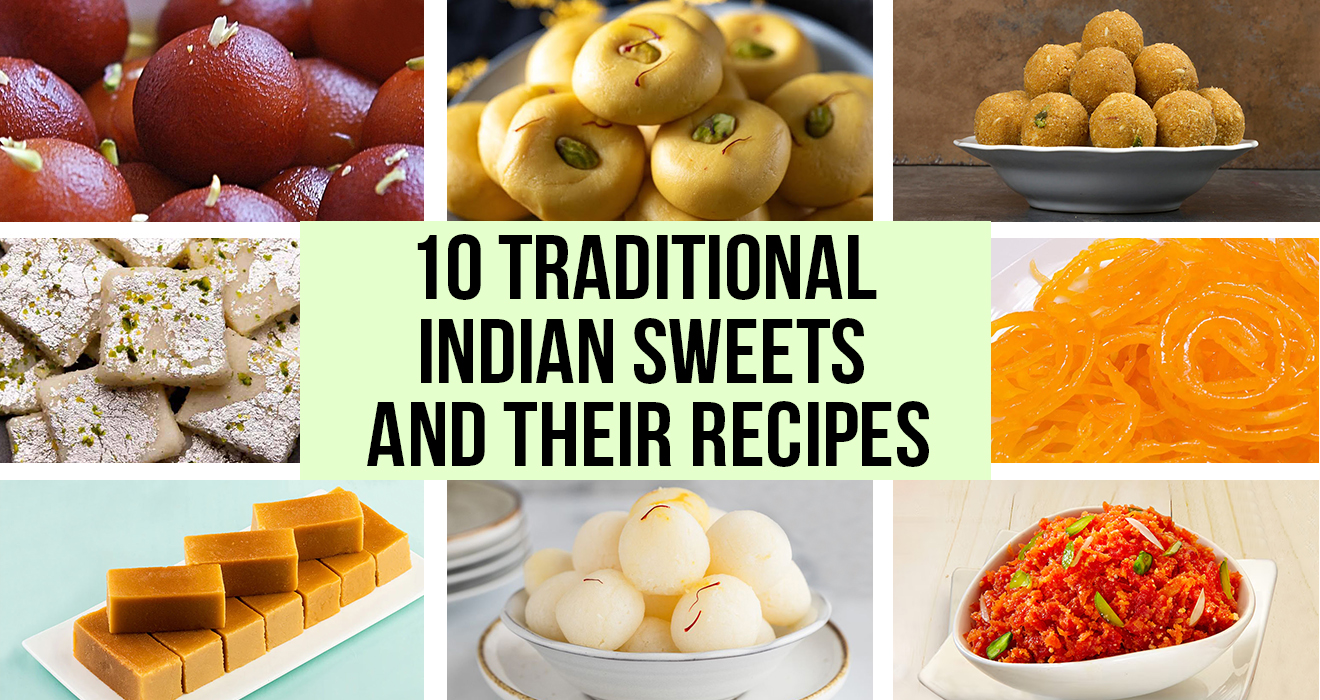
Indian sweets, also known as mithai, are more than just desserts. They are part of celebrations, family gatherings, festivals, weddings, religious occasions, and everyday hospitality. For Indian families living in Australia, sweets often carry memories of home, childhood, and tradition. Whether it is a box of ladoos during Diwali, warm gulab jamuns after dinner, or homemade kheer for a family get-together, Indian sweets bring comfort and joy to every table.
Australia’s multicultural food culture has made Indian desserts more popular than ever. From Sydney and Melbourne to Brisbane, Perth, Adelaide, and Canberra, many people are now exploring traditional Indian flavours such as cardamom, saffron, rose water, ghee, pistachios, almonds, coconut, and milk-based sweets. The good news is that most Indian sweets can be made at home using ingredients easily available in Australian supermarkets or Indian grocery stores.
Here are 10 traditional Indian sweets and simple recipes you can try at home.
1. Gulab Jamun
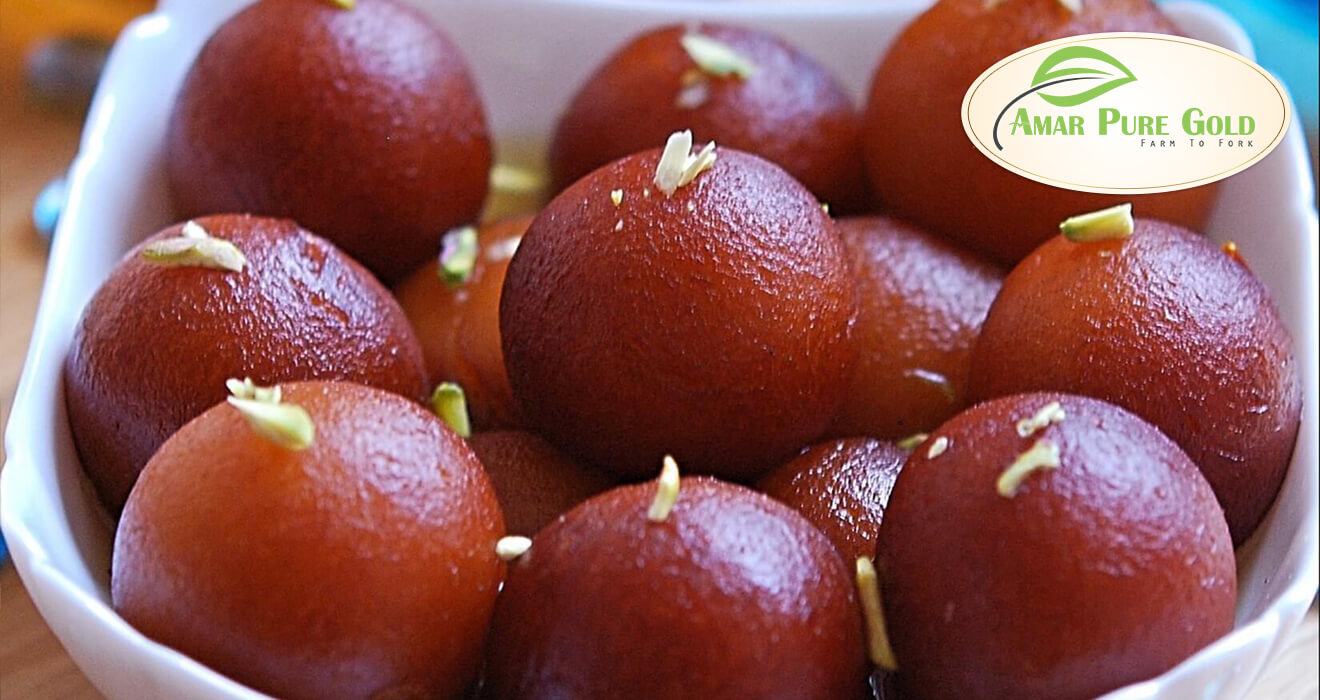
Gulab Jamun is one of the most loved Indian sweets. Soft, golden-brown balls are soaked in a fragrant sugar syrup flavoured with cardamom and rose water. It is commonly served at weddings, festivals, restaurants, and family celebrations.
Ingredients
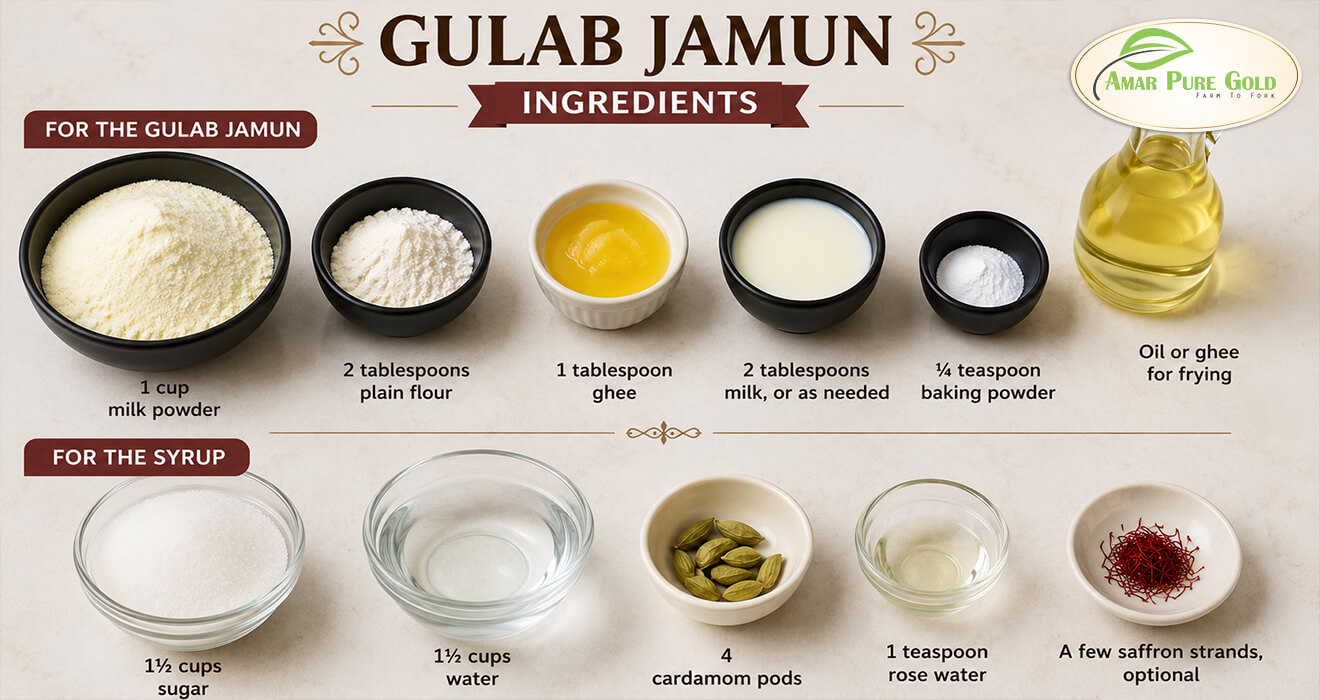
For the jamun:
- 1 cup milk powder
- 2 tablespoons plain flour
- 1 tablespoon ghee
- 2 tablespoons milk, or as needed
- ¼ teaspoon baking powder
- Oil or ghee for frying
For the syrup:
- 1½ cups sugar
- 1½ cups water
- 4 cardamom pods
- 1 teaspoon rose water
- A few saffron strands, optional
Method
To make the syrup, add sugar, water, cardamom, and saffron to a saucepan. Bring it to a boil, then simmer for 7–8 minutes until slightly sticky. Add rose water and keep warm.
In a mixing bowl, combine milk powder, plain flour, baking powder, and ghee. Add milk slowly and mix gently to form a soft dough. Do not knead too much, as this can make the jamuns hard. Divide into small portions and roll into smooth balls.
Heat oil or ghee on low to medium heat. Fry the balls slowly until golden brown. Add them directly into the warm syrup and let them soak for at least 1 hour. Serve warm or at room temperature.
2. Besan Ladoo
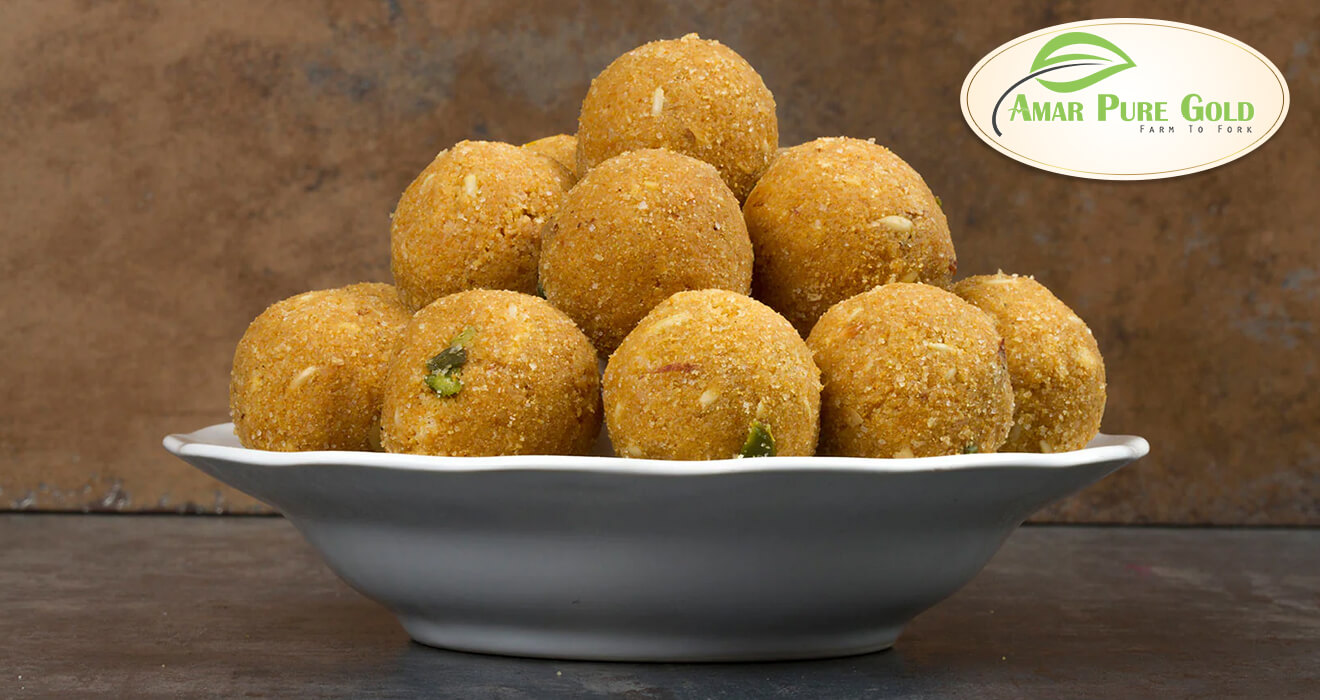
Besan Ladoo is a classic North Indian sweet made with gram flour, ghee, and sugar. It has a rich nutty aroma and melts beautifully in the mouth. It is especially popular during Diwali and festive gifting.
Ingredients
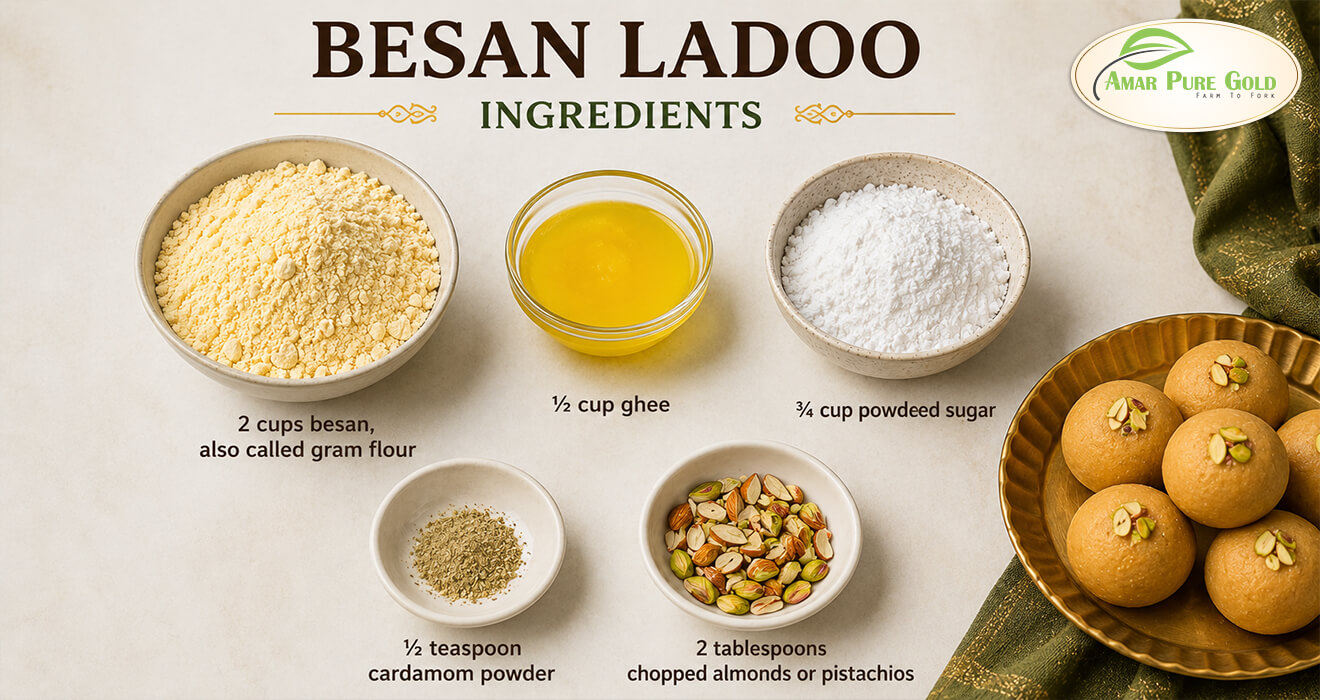
- 2 cups besan, also called gram flour
- ½ cup ghee
- ¾ cup powdered sugar
- ½ teaspoon cardamom powder
- 2 tablespoons chopped almonds or pistachios
Method
Heat ghee in a heavy-bottomed pan. Add besan and roast on low heat, stirring continuously. This step is very important because raw besan has a strong taste. Roast for 15–20 minutes until the mixture turns golden and releases a nutty aroma.
Remove from heat and allow it to cool slightly. Add powdered sugar, cardamom powder, and chopped nuts. Mix well. While the mixture is still warm, shape it into round ladoos using your hands. Let them set completely before serving.
Besan ladoos can be stored in an airtight container for up to two weeks, making them ideal for festive sharing in Australia.
3. Kheer
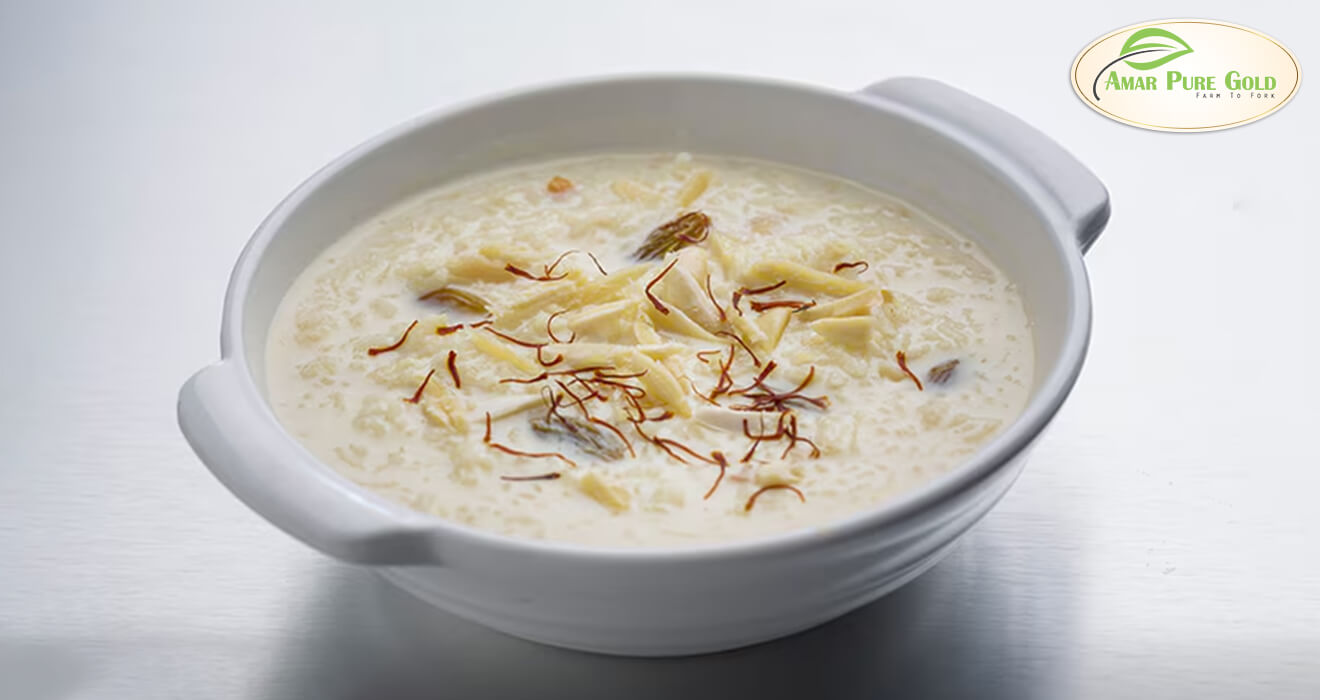
Kheer is a creamy Indian rice pudding made with milk, rice, sugar, and cardamom. It is simple, comforting, and often made during festivals, birthdays, and religious occasions.
Ingredients
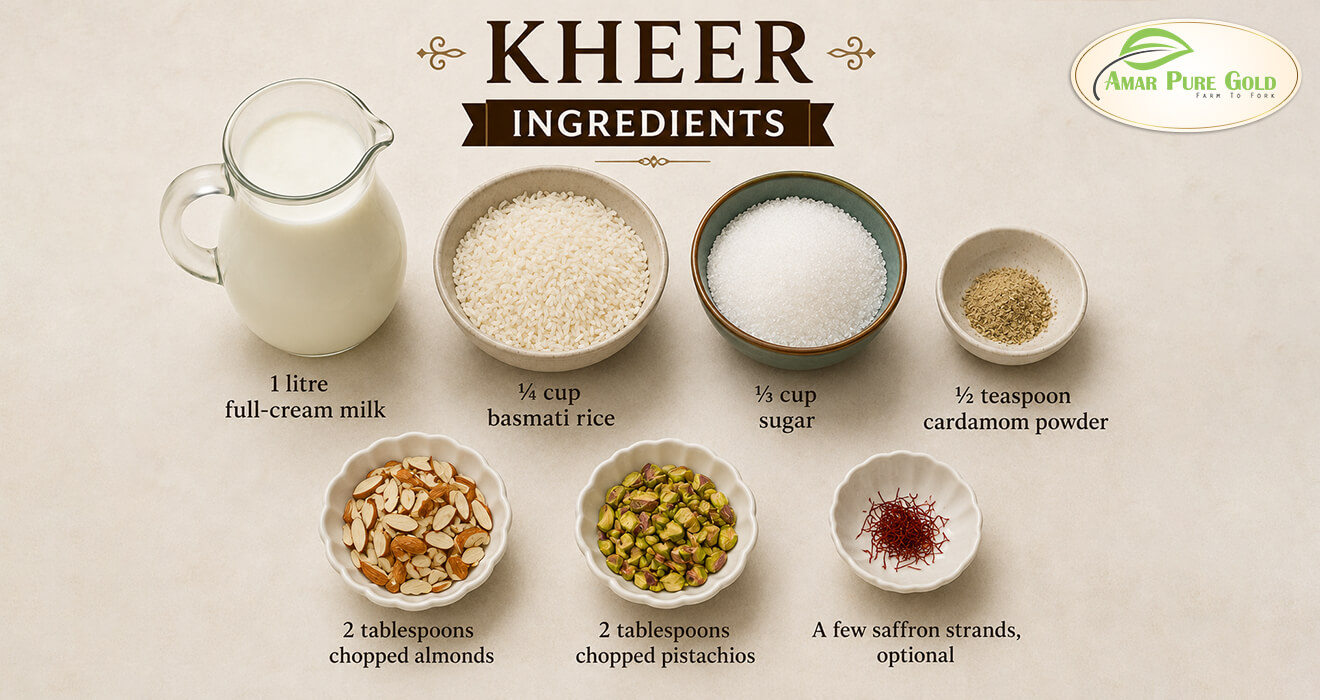
- 1 litre full-cream milk
- ¼ cup basmati rice
- ⅓ cup sugar
- ½ teaspoon cardamom powder
- 2 tablespoons chopped almonds
- 2 tablespoons chopped pistachios
- A few saffron strands, optional
Method
Wash and soak the rice for 20 minutes. In a heavy saucepan, bring milk to a gentle boil. Add the soaked rice and cook on low heat, stirring often. Continue cooking until the rice becomes soft and the milk thickens.
Add sugar, cardamom powder, saffron, and nuts. Simmer for another 5–10 minutes. Kheer can be served warm or chilled. In warmer Australian weather, chilled kheer makes a refreshing dessert after an Indian meal.
4. Jalebi
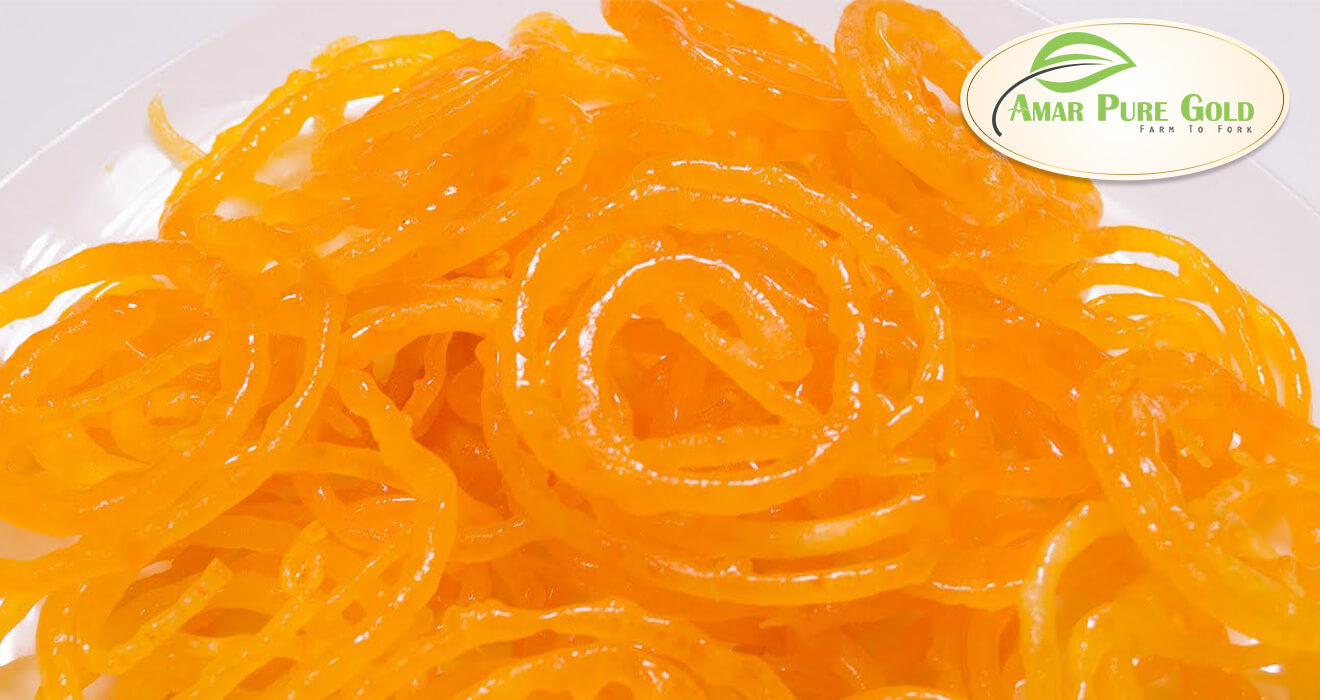
Jalebi is a crispy, spiral-shaped Indian sweet soaked in sugar syrup. It is bright, festive, and enjoyed across India. In many Indian households, jalebi is paired with rabri, milk, or even served as a breakfast treat on special days.
Ingredients
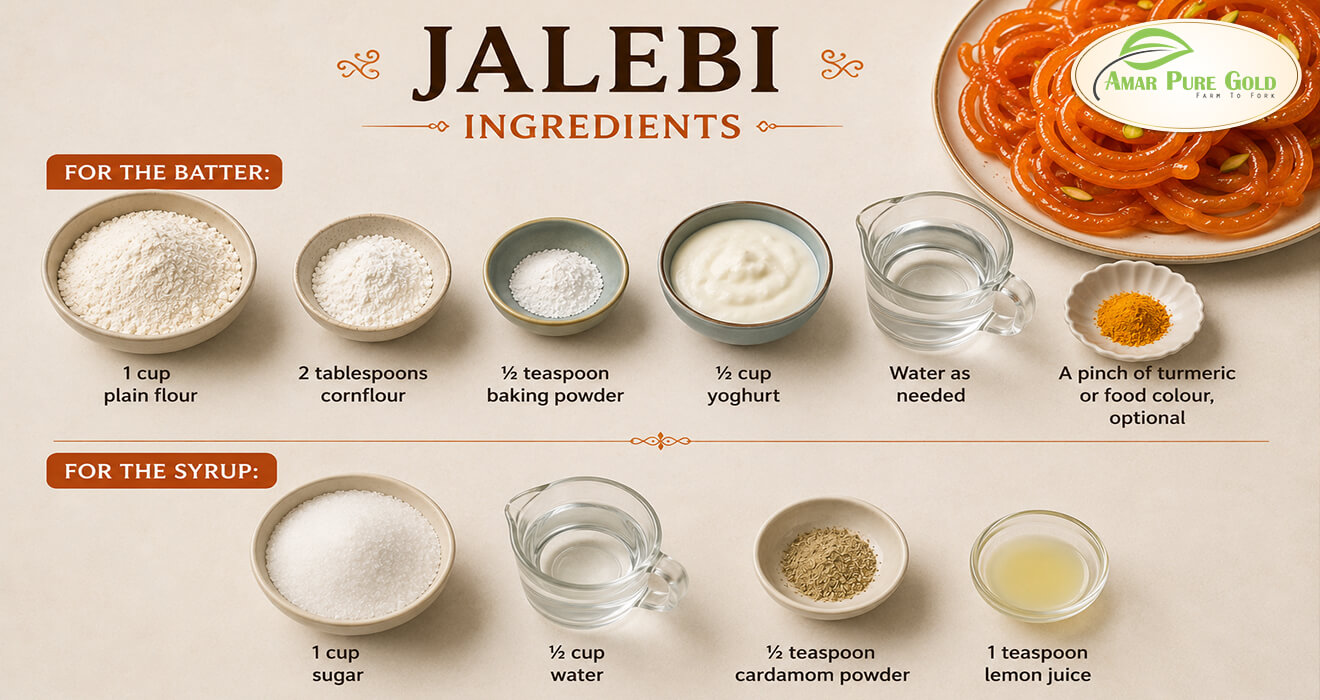
For the batter:
- 1 cup plain flour
- 2 tablespoons cornflour
- ½ teaspoon baking powder
- ½ cup yoghurt
- Water as needed
- A pinch of turmeric or food colour, optional
For the syrup:
- 1 cup sugar
- ½ cup water
- ½ teaspoon cardamom powder
- 1 teaspoon lemon juice
Method
Mix plain flour, cornflour, baking powder, yoghurt, and enough water to make a smooth, thick batter. Let it rest for 4–6 hours for a mild fermentation. If you are short on time, you can rest it for 30 minutes, though the flavour will be lighter.
To make the syrup, boil sugar and water until slightly sticky. Add cardamom powder and lemon juice.
Heat oil in a flat pan. Pour the batter into a piping bag or squeeze bottle. Pipe spiral shapes directly into the hot oil and fry until crisp. Dip the jalebis into warm syrup for a few seconds, then remove. Serve immediately for the best crunch.
5. Rasgulla
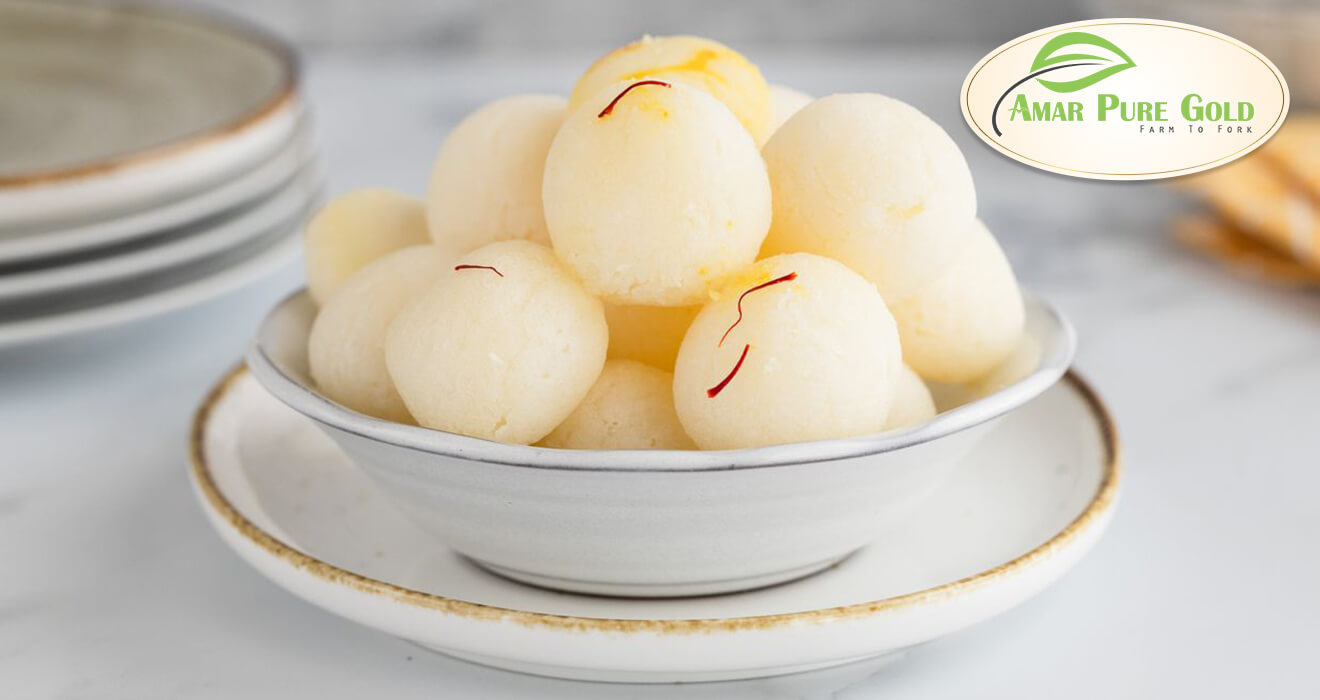
Rasgulla is a soft and spongy Bengali sweet made from fresh chenna, which is Indian-style cottage cheese. It is light, juicy, and less heavy than many other Indian sweets.
Ingredients
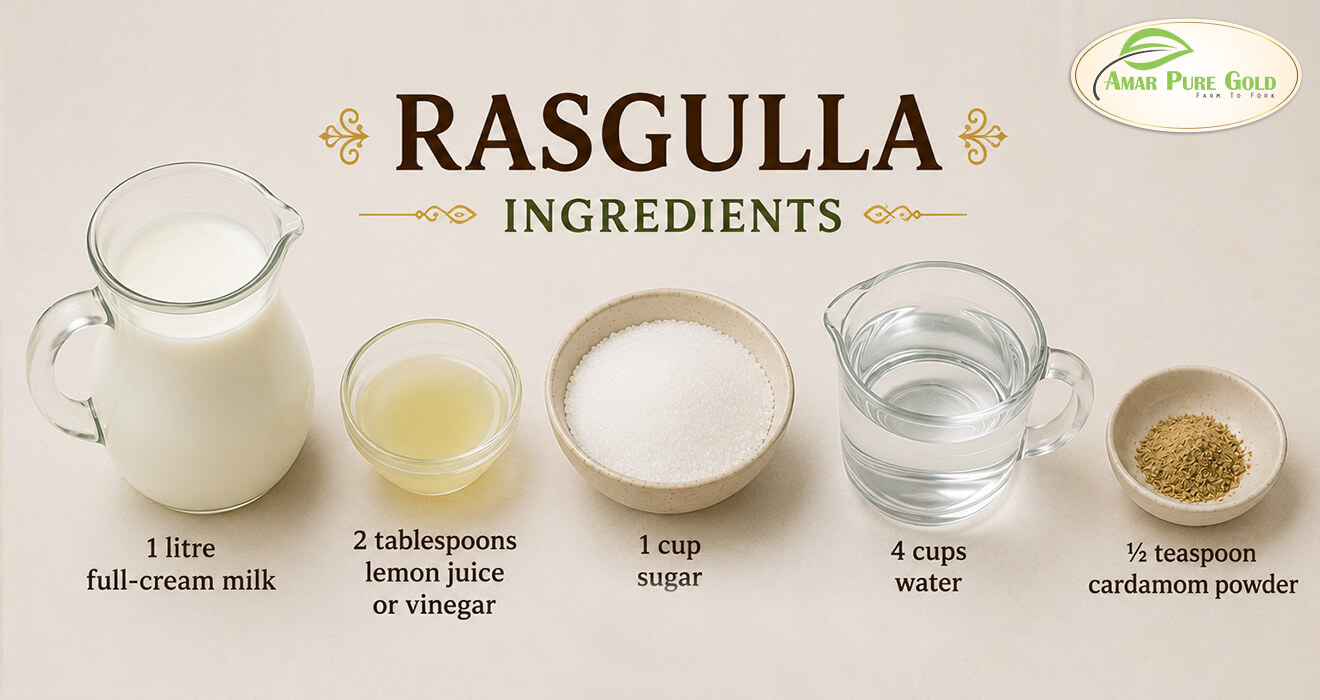
- 1 litre full-cream milk
- 2 tablespoons lemon juice or vinegar
- 1 cup sugar
- 4 cups water
- ½ teaspoon cardamom powder
Method
Boil the milk, then reduce the heat. Add lemon juice slowly and stir until the milk curdles. Once the curds separate from the whey, strain through a muslin cloth. Rinse with cold water to remove the sour taste. Squeeze out excess water and hang for 30 minutes.
Knead the chenna for 8–10 minutes until smooth. Divide into small balls without cracks.
In a large pot, boil sugar and water. Add the chenna balls and cover. Cook on medium-high heat for 12–15 minutes. The balls will expand as they cook. Add cardamom powder and let them cool in the syrup. Serve chilled.
6. Gajar Ka Halwa
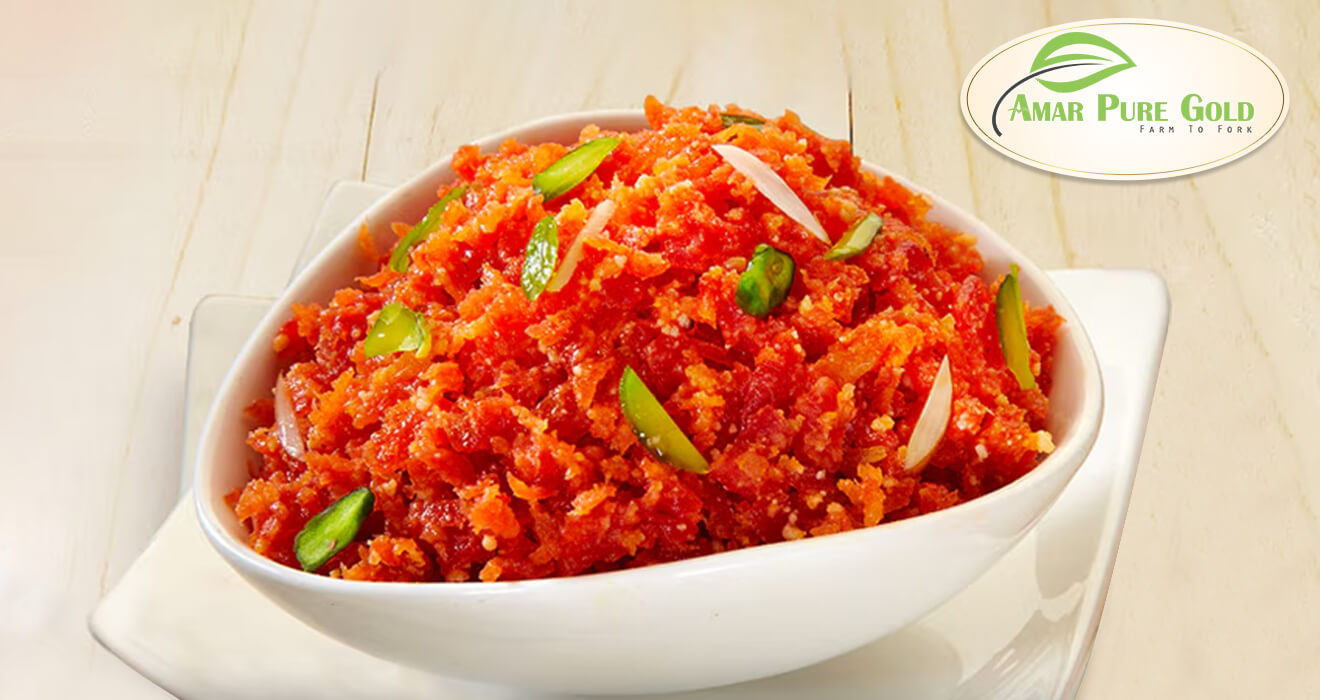
Gajar Ka Halwa, or carrot halwa, is a rich dessert made with grated carrots, milk, ghee, sugar, and nuts. It is especially popular in winter, but in Australia it can be enjoyed all year round using fresh carrots from local markets.
Ingredients
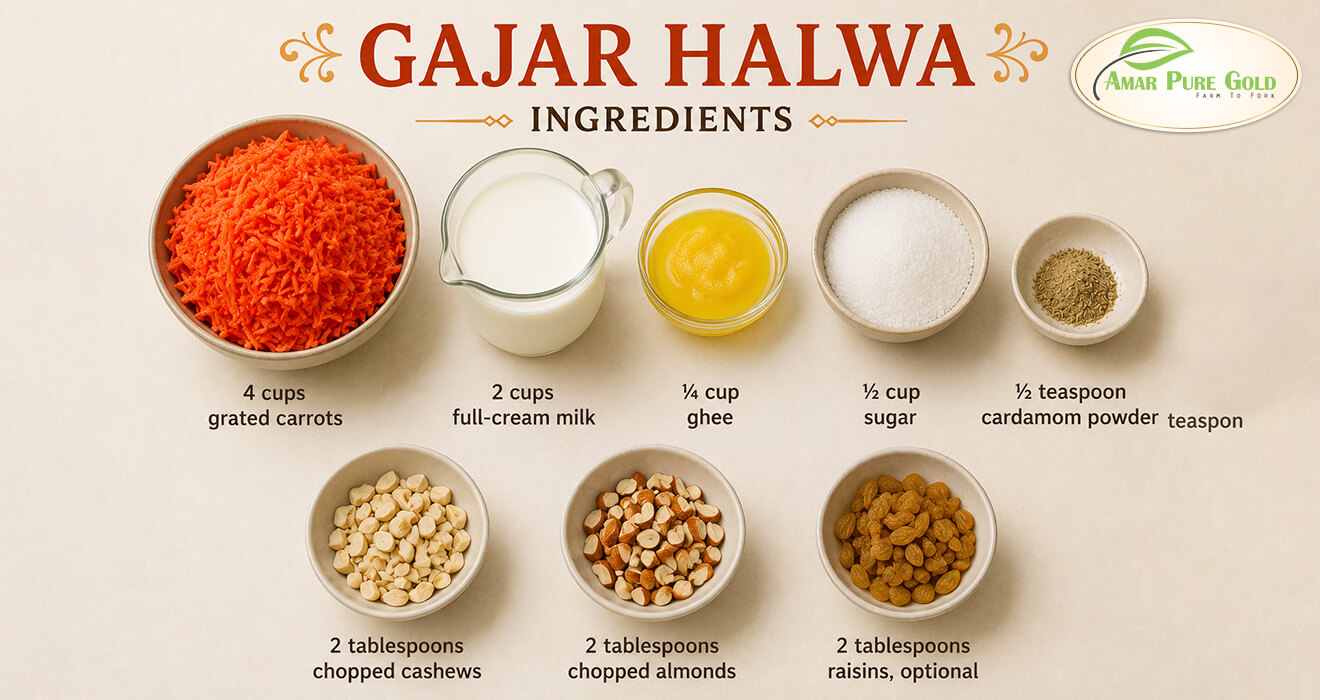
- 4 cups grated carrots
- 2 cups full-cream milk
- ¼ cup ghee
- ½ cup sugar
- ½ teaspoon cardamom powder
- 2 tablespoons chopped cashews
- 2 tablespoons chopped almonds
- 2 tablespoons raisins, optional
Method
Heat ghee in a heavy pan and add grated carrots. Sauté for 5–7 minutes until they soften slightly. Add milk and cook on medium heat, stirring often, until the milk reduces.
Add sugar and continue cooking. The mixture will become slightly loose after adding sugar, so cook until it thickens again. Add cardamom powder, nuts, and raisins. Cook until the halwa becomes glossy and rich. Serve warm, either on its own or with a scoop of vanilla ice cream for a modern Australian-style twist.
7. Coconut Barfi
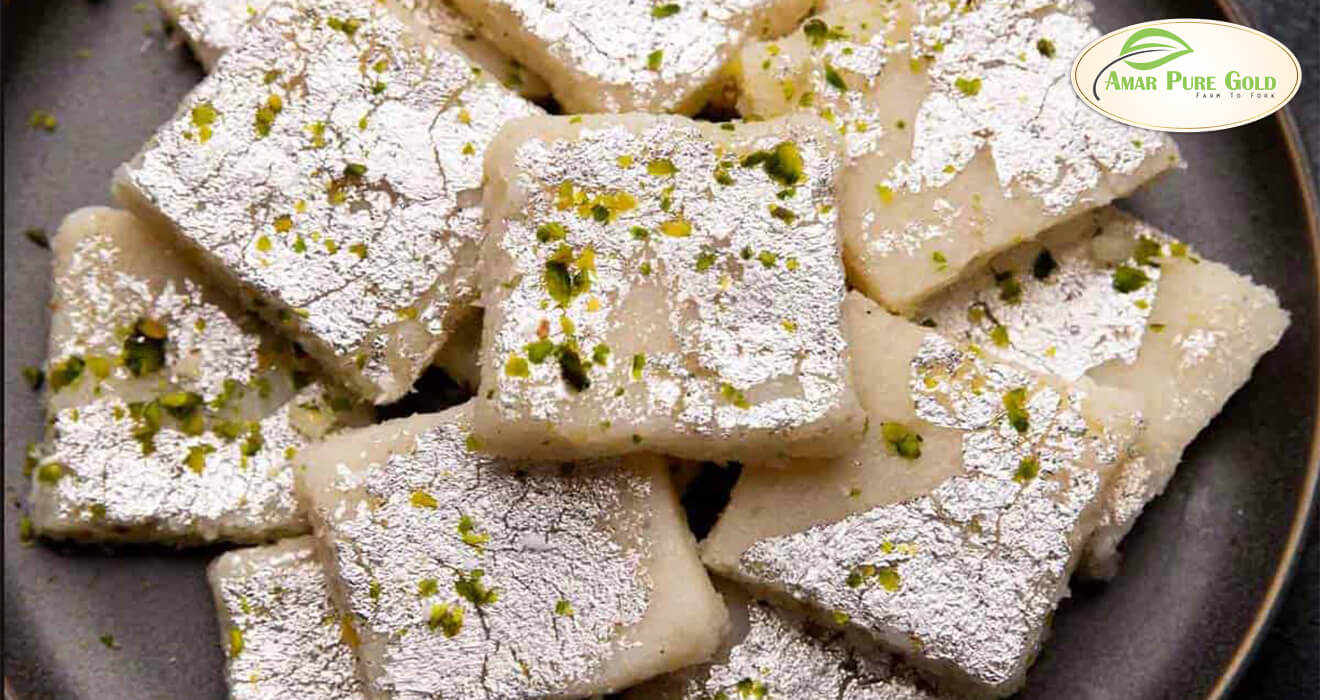
Coconut Barfi is a simple and delicious sweet made with coconut, sugar, and milk. It is especially popular in South Indian and Maharashtrian households. This recipe works well with desiccated coconut, which is easily available in Australian supermarkets.
Ingredients
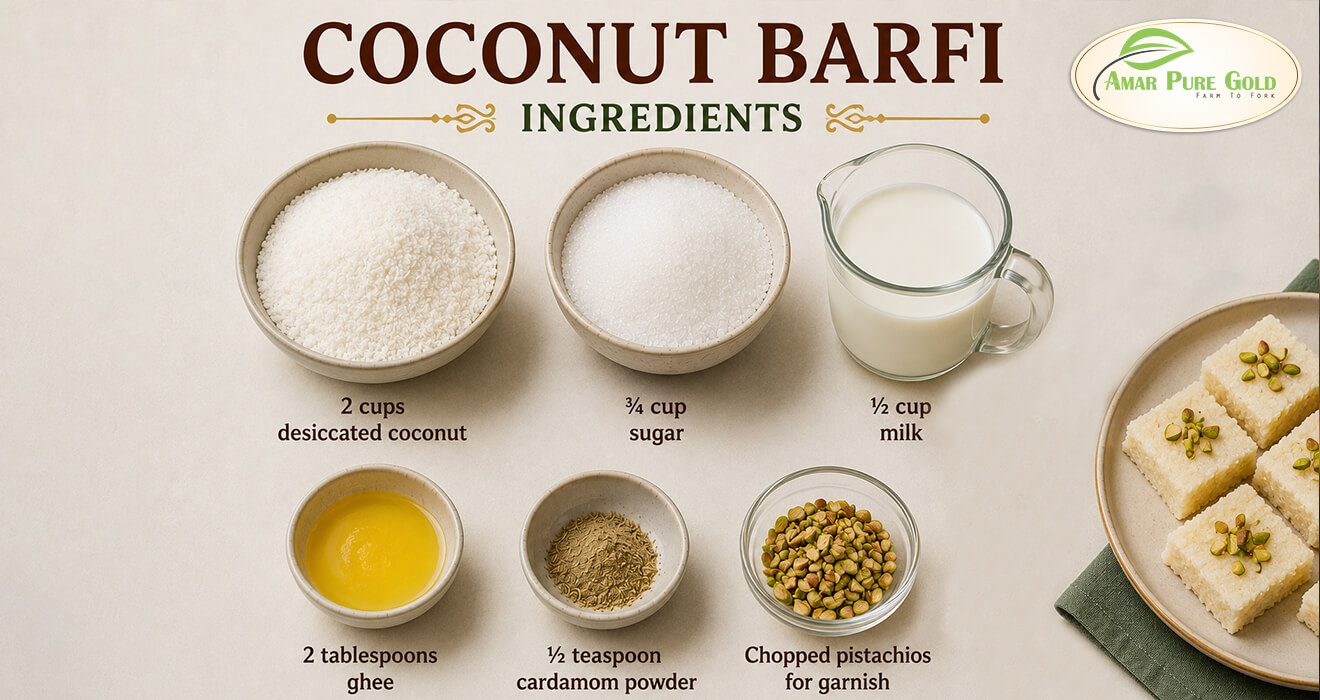
- 2 cups desiccated coconut
- ¾ cup sugar
- ½ cup milk
- 2 tablespoons ghee
- ½ teaspoon cardamom powder
- Chopped pistachios for garnish
Method
Heat ghee in a pan. Add desiccated coconut and roast for 2–3 minutes on low heat. Add milk and sugar, then stir continuously. Cook until the mixture thickens and starts leaving the sides of the pan.
Add cardamom powder and mix well. Transfer the mixture to a greased tray and flatten it evenly. Sprinkle chopped pistachios on top. Let it cool, then cut into squares or diamonds.
Coconut barfi is a great sweet for beginners because it requires fewer ingredients and less cooking time.
8. Sooji Halwa
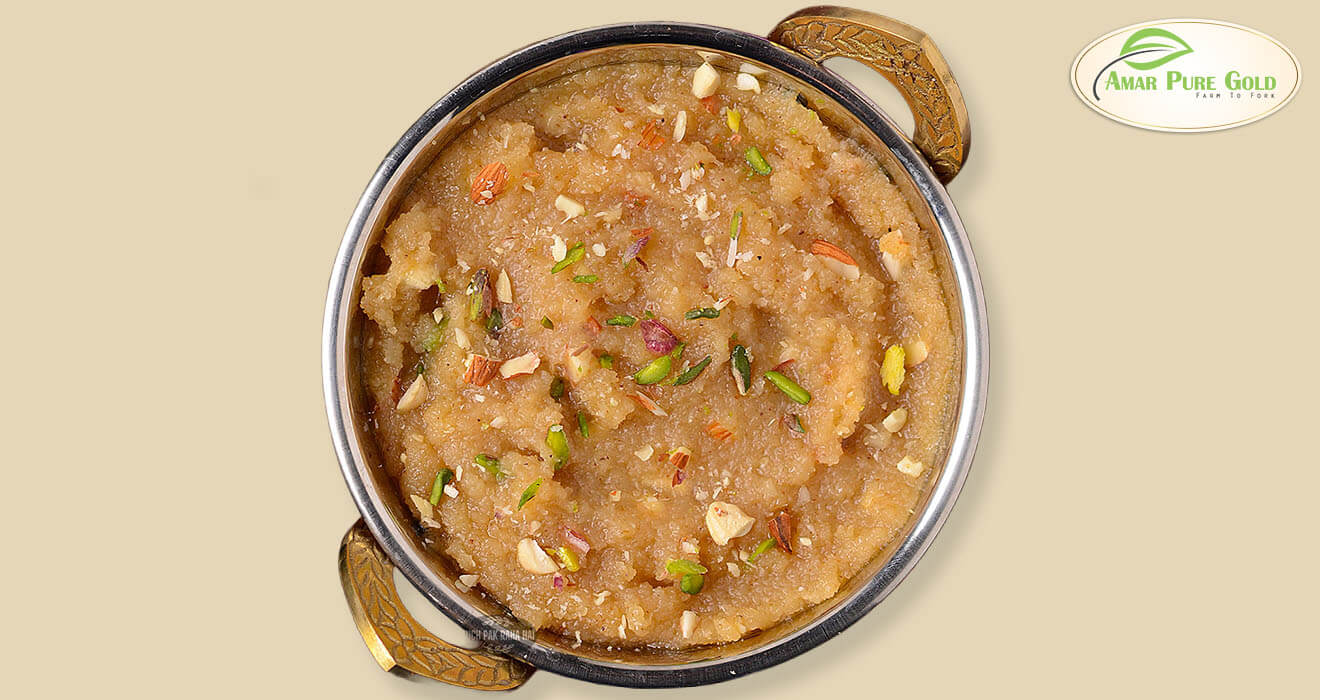
Sooji Halwa, also known as semolina halwa, is a quick and comforting Indian sweet. It is often prepared as prasad during religious occasions and is also enjoyed as a simple homemade dessert.
Ingredients
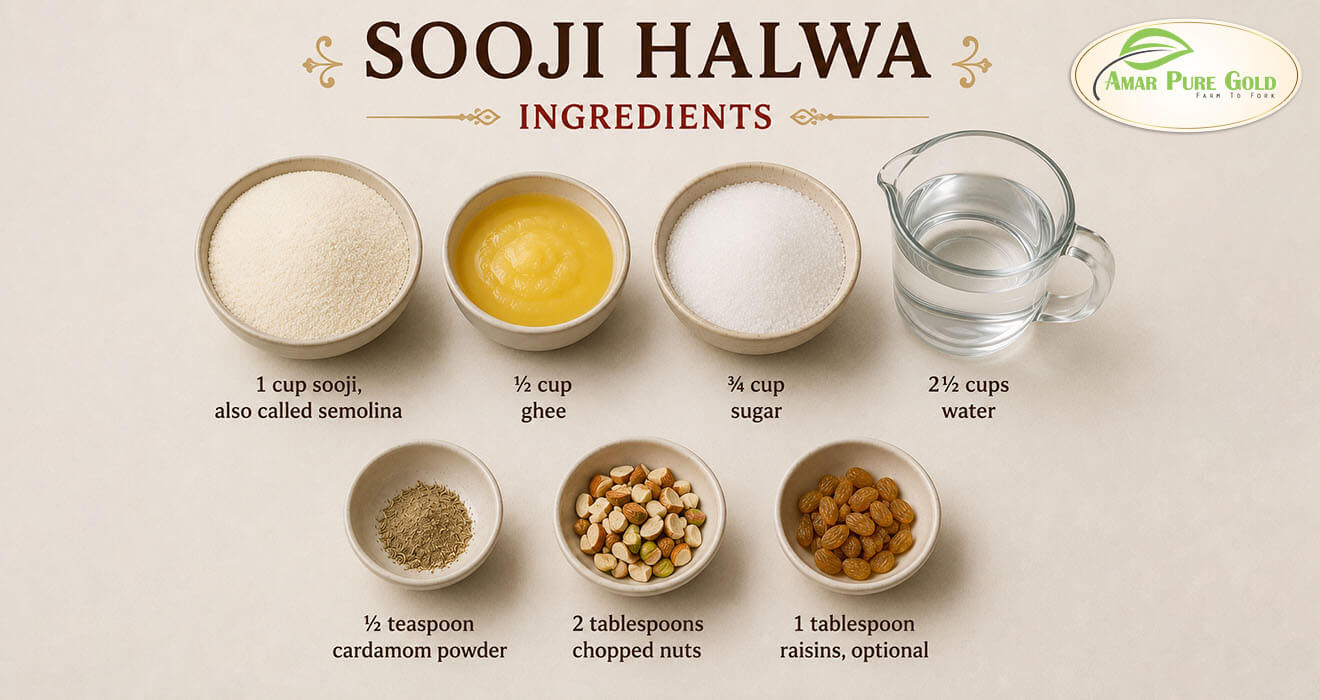
- 1 cup sooji, also called semolina
- ½ cup ghee
- ¾ cup sugar
- 2½ cups water
- ½ teaspoon cardamom powder
- 2 tablespoons chopped nuts
- 1 tablespoon raisins, optional
Method
Heat ghee in a pan and add sooji. Roast on low heat until golden and aromatic. This may take 8–10 minutes. In a separate saucepan, heat water and sugar until the sugar dissolves.
Slowly add the hot sugar water to the roasted sooji while stirring continuously to avoid lumps. Cook until the mixture thickens and absorbs the water. Add cardamom powder, nuts, and raisins. Serve warm.
Sooji halwa is perfect when you want a traditional Indian sweet without spending too much time in the kitchen.
9. Mysore Pak
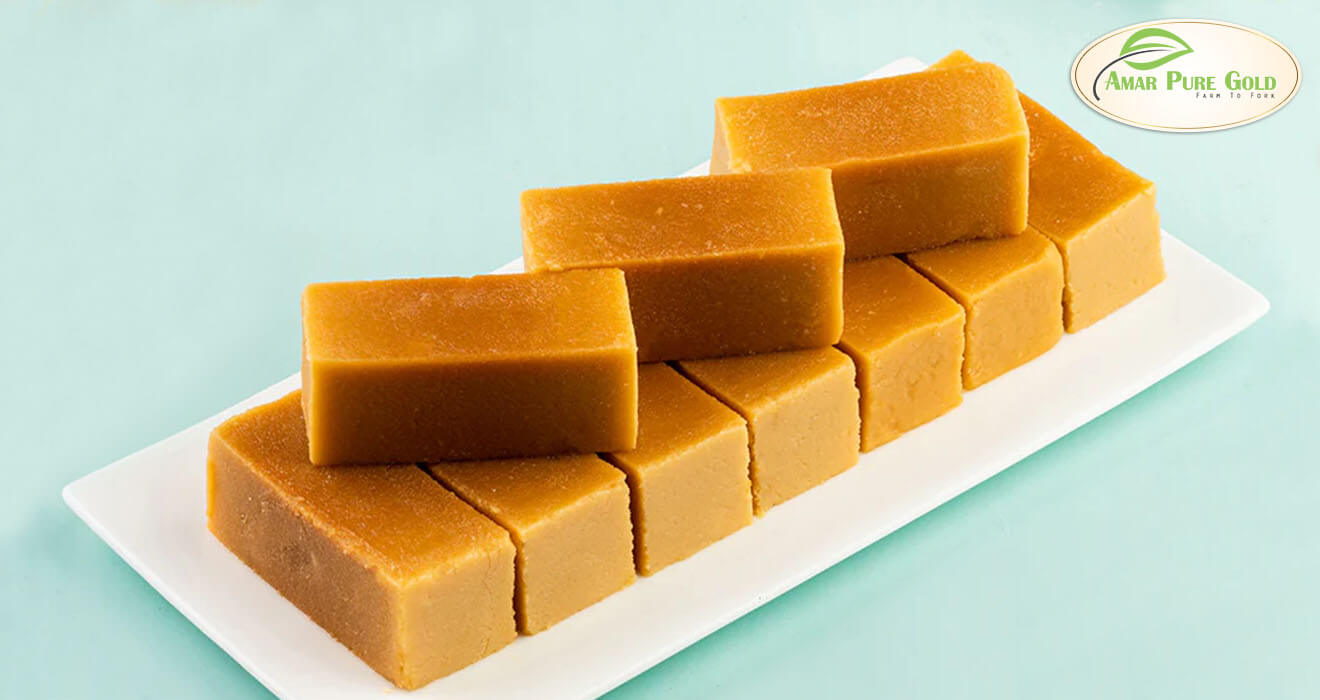
Mysore Pak is a famous South Indian sweet made with gram flour, ghee, and sugar. It has a rich texture and a deep roasted flavour. Traditional Mysore Pak can be slightly firm or melt-in-the-mouth depending on the method used.
Ingredients
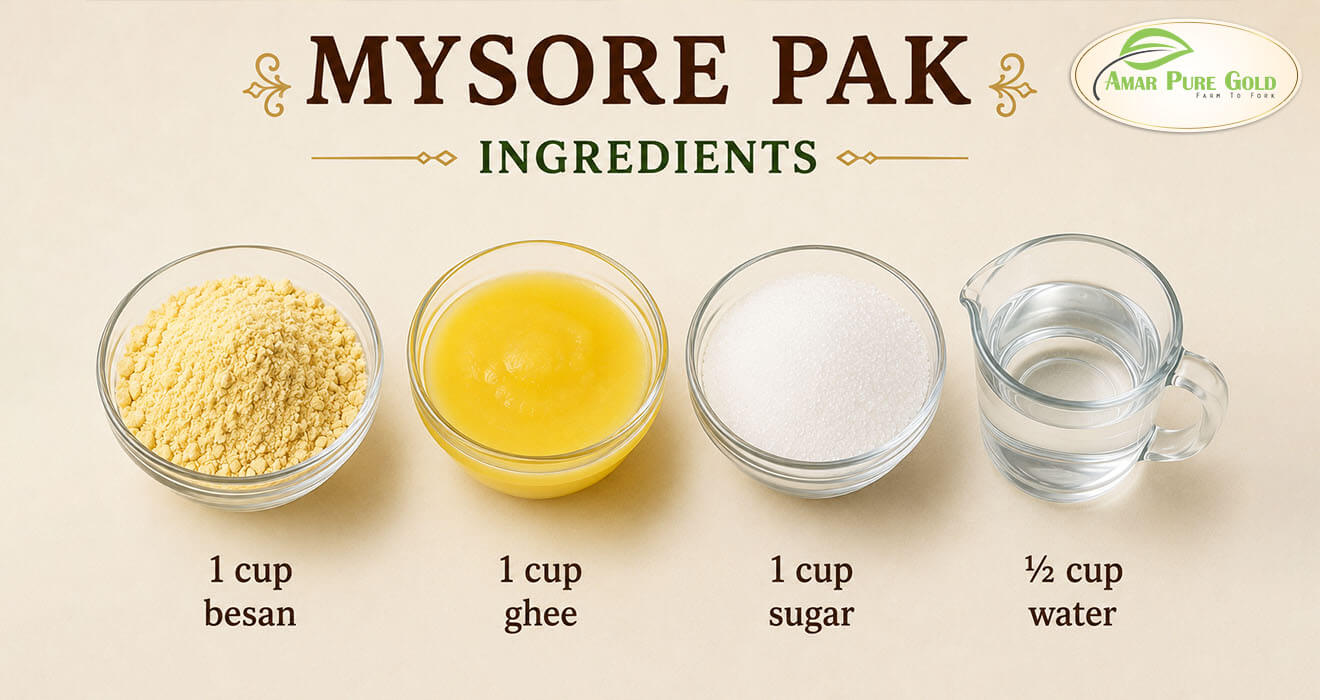
- 1 cup besan
- 1 cup ghee
- 1 cup sugar
- ½ cup water
Method
Sieve the besan to remove lumps. Heat ghee and keep it warm. In a heavy pan, add sugar and water. Boil until the syrup reaches a one-string consistency.
Add besan slowly while stirring continuously. Keep stirring to avoid lumps. Add warm ghee little by little, allowing the mixture to absorb it. Continue cooking until the mixture becomes thick, glossy, and starts leaving the sides of the pan.
Pour into a greased tray and spread evenly. Let it cool slightly, then cut into pieces before it hardens completely. Mysore Pak is rich, so small pieces are usually enough.
10. Peda
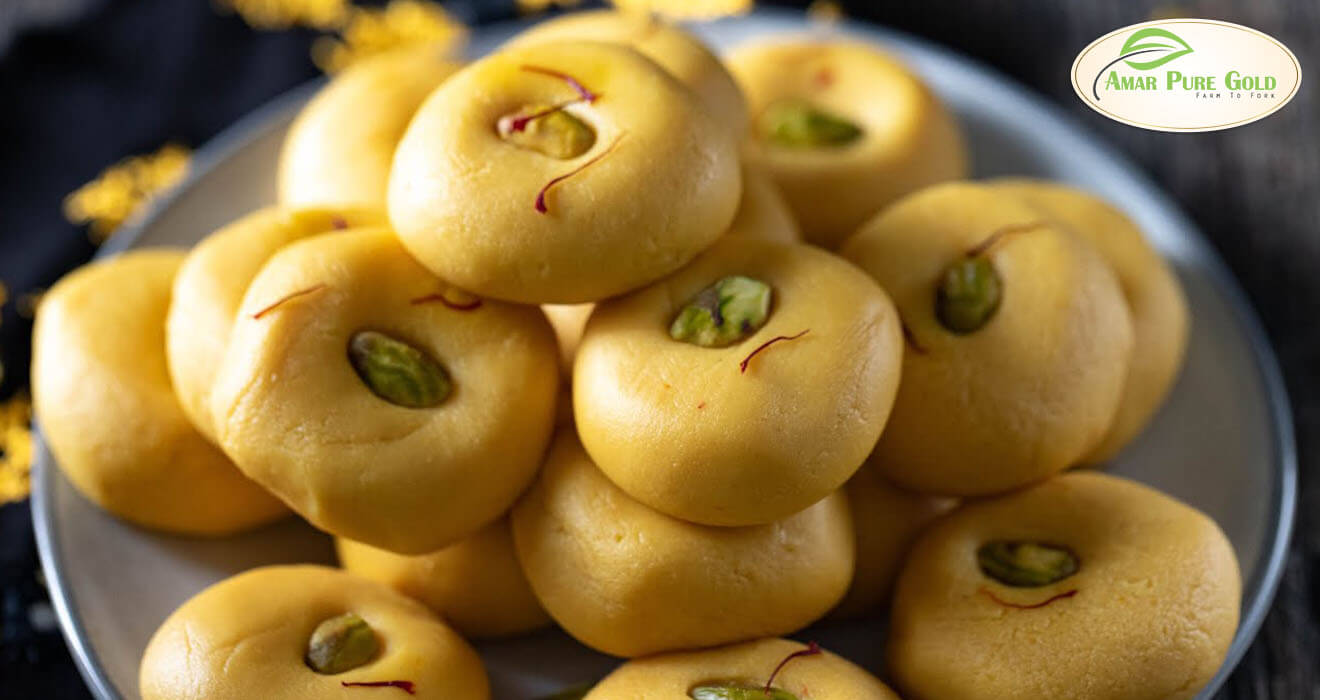
Peda is a soft milk-based sweet often offered during festivals and religious ceremonies. It is traditionally made with khoya, but this easier version uses milk powder, which is convenient for home cooks in Australia.
Ingredients
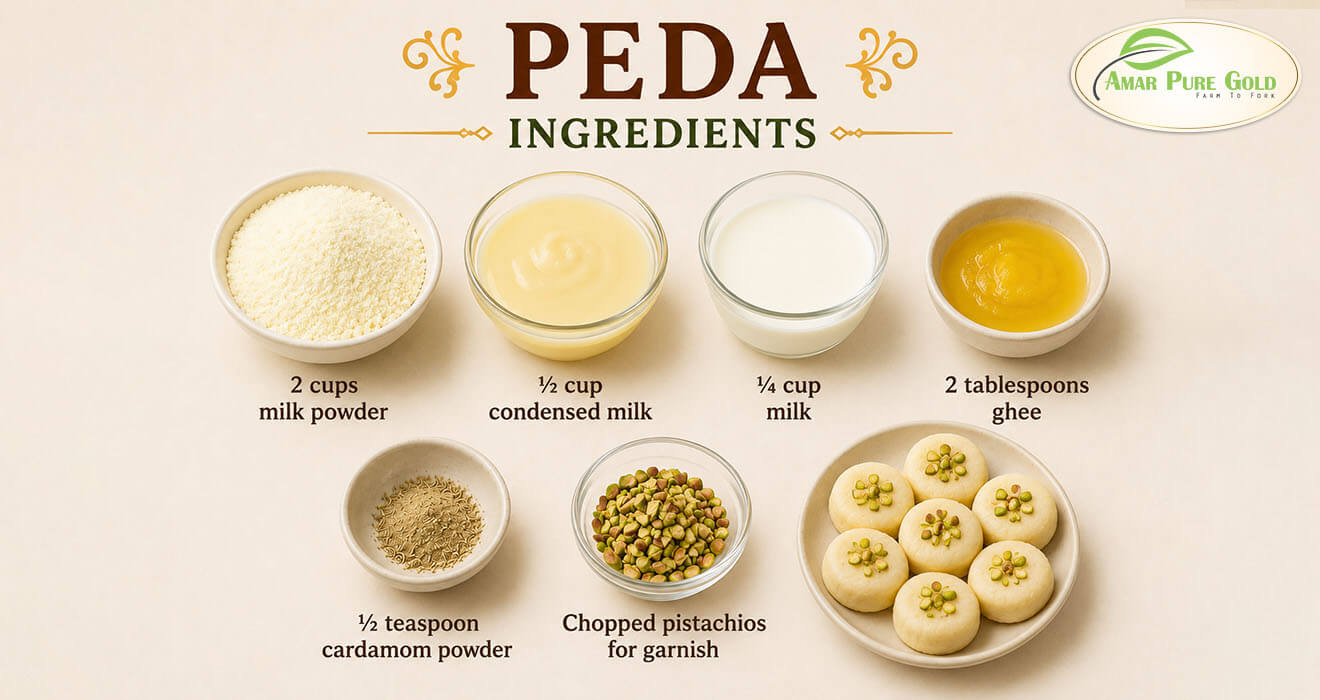
- 2 cups milk powder
- ½ cup condensed milk
- ¼ cup milk
- 2 tablespoons ghee
- ½ teaspoon cardamom powder
- Chopped pistachios for garnish
Method
Heat ghee in a non-stick pan. Add milk, condensed milk, and milk powder. Stir continuously on low heat. The mixture will slowly thicken and come together like a dough.
Add cardamom powder and mix well. Remove from heat and let it cool until safe to handle. Grease your hands with ghee and shape the mixture into small round pedas. Press gently in the centre and garnish with chopped pistachios.
Peda is ideal for festive boxes, family gatherings, and gifting during Indian celebrations in Australia.
Tips for Making Indian Sweets in Australia
Making Indian sweets at home becomes easier when you understand the ingredients. Full-cream milk is best for milk-based sweets such as kheer, rasgulla, and peda. Ghee adds authentic flavour, so try to use good-quality ghee instead of butter where possible. Cardamom, saffron, rose water, and nuts can usually be found at Indian grocery stores across Australia.
For frying sweets such as gulab jamun and jalebi, temperature control is important. If the oil is too hot, the outside will brown quickly while the inside remains uncooked. If it is too cold, the sweets may absorb too much oil. A low to medium flame usually works best.
Storage also matters. Milk-based sweets should be refrigerated and consumed within a few days. Dry sweets like ladoo, barfi, and Mysore Pak usually last longer when stored in airtight containers. During Australia’s warmer months, it is better to refrigerate most sweets to maintain freshness.
Conclusion
Traditional Indian sweets are a beautiful way to celebrate culture, family, and flavour. For Indians living in Australia, making these sweets at home can bring back memories of festivals, childhood kitchens, and family traditions. For Australians discovering Indian cuisine, mithai offers a delicious introduction to the richness of Indian food.
From the syrupy softness of gulab jamun to the creamy comfort of kheer, the crunch of jalebi, the richness of Mysore Pak, and the simplicity of coconut barfi, each sweet has its own story. With easily available ingredients and a little patience, these 10 traditional Indian sweets can be prepared in any Australian kitchen.
Whether you are cooking for Diwali, Raksha Bandhan, Holi, a family dinner, or simply a weekend treat, these recipes will help you bring authentic Indian sweetness to your table.
Frequently Asked Questions
What are some traditional Indian sweets?
Some traditional Indian sweets include Gulab Jamun, Jalebi, Rasgulla, Kheer, Besan Ladoo, Barfi, Peda, Mysore Pak, Soan Papdi, and Gajar Ka Halwa. These sweets are commonly enjoyed during festivals, weddings, family gatherings, and special celebrations.
What are the top 10 best sweets?
The top 10 best Indian sweets are Gulab Jamun, Jalebi, Rasgulla, Kaju Katli, Besan Ladoo, Motichoor Ladoo, Mysore Pak, Peda, Barfi, and Gajar Ka Halwa. These sweets are popular for their rich taste, traditional value, and wide appeal across India and abroad.
What Indian sweets are good for diabetics?
Diabetics should choose Indian sweets carefully and consume them in moderation. Better options may include sugar-free kheer, baked gujiya, date and nut ladoo, coconut ladoo without refined sugar, or sweets made with natural sweeteners. It is best to consult a doctor or dietitian before eating sweets regularly.
Which is the oldest sweet in India?
One of the oldest sweets in India is believed to be Malpua. It has ancient roots and is mentioned in early Indian food traditions. Other old Indian sweets include kheer and ladoo, which have been prepared in different forms for centuries.
What is the easiest Indian dessert to make?
Sooji Halwa is one of the easiest Indian desserts to make. It requires simple ingredients like semolina, ghee, sugar, water, and cardamom. It cooks quickly and is often prepared at home for festivals, prayers, or a quick sweet treat.
Which is the best sweet in India?
Gulab Jamun is often considered one of the best sweets in India because of its soft texture, rich flavour, and popularity at festivals, weddings, and restaurants. However, the best sweet can vary by region and personal preference.
Which is the king of sweets?
Gulab Jamun is often called the king of Indian sweets because it is loved across India and is commonly served at almost every major celebration. Its soft, syrup-soaked texture and rich taste make it one of the most iconic Indian desserts.