India is a land of festivals, traditions, colours, and flavours. Every celebration here feels incomplete without sweets. Whether it is Diwali, Holi, Raksha Bandhan, Eid, Navratri, Ganesh Chaturthi, Onam, Lohri, or a family celebration, sweets bring people together and add warmth to every occasion. Indian sweet are not just desserts; they are a symbol of happiness, blessings, hospitality, and togetherness.
From milk-based mithai to deep-fried festive treats, every region of India has its own special sweet that reflects its culture and food heritage. Some sweets are offered to deities, some are gifted to loved ones, and some are prepared at home as part of age-old family traditions. Here are 10 popular Indian sweet that make every festival special.
1. Gulab Jamun
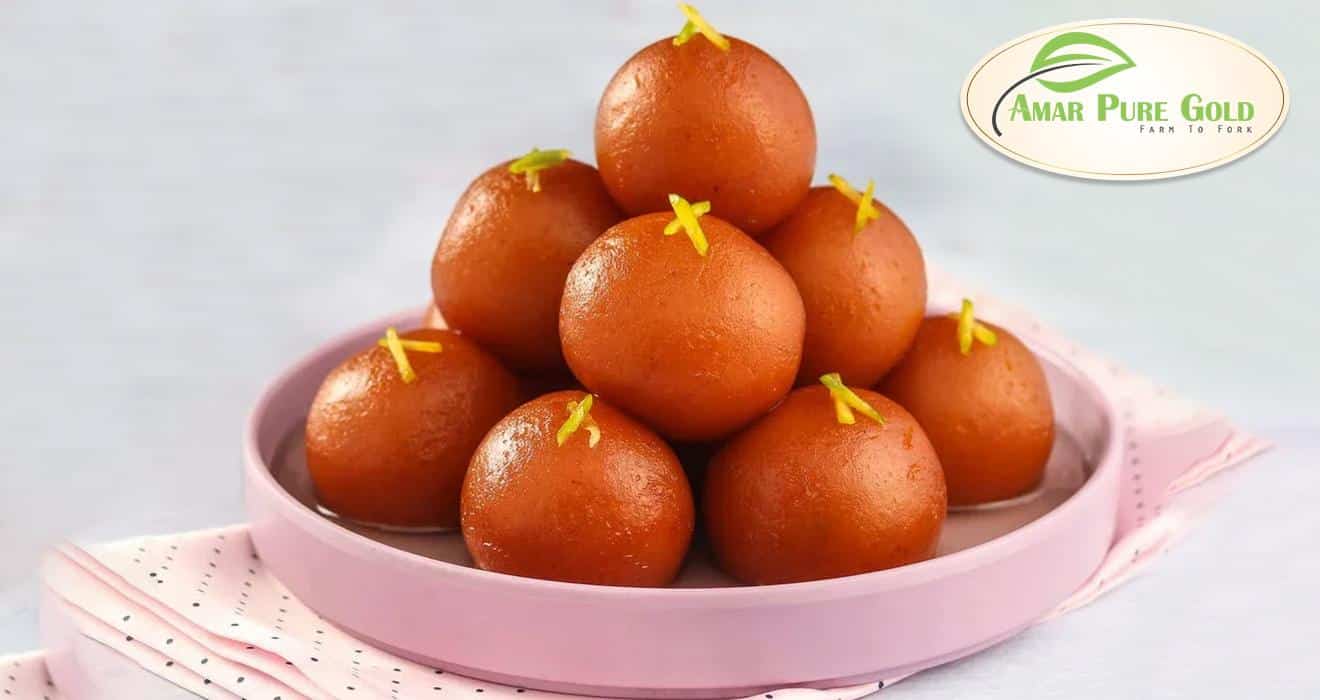
Gulab Jamun is one of the most loved Indian sweet and is a must-have during almost every celebration. Soft, golden-brown balls made from khoya or milk solids are deep-fried and soaked in warm sugar syrup flavoured with cardamom, rose water, or saffron. The result is a rich, juicy, melt-in-the-mouth sweet that instantly brings festive joy.
Gulab Jamun is commonly served during Diwali, weddings, birthdays, family gatherings, and religious celebrations. Its warm texture and rich sweetness make it perfect for festive meals. Whether served hot, at room temperature, or with a scoop of vanilla ice cream, Gulab Jamun continues to be a favourite across all age groups.
This sweet also represents indulgence and hospitality. Offering Gulab Jamun to guests is a way of sharing love and celebration. Its universal appeal makes it one of the most popular sweets in India and abroad.
2. Rasgulla
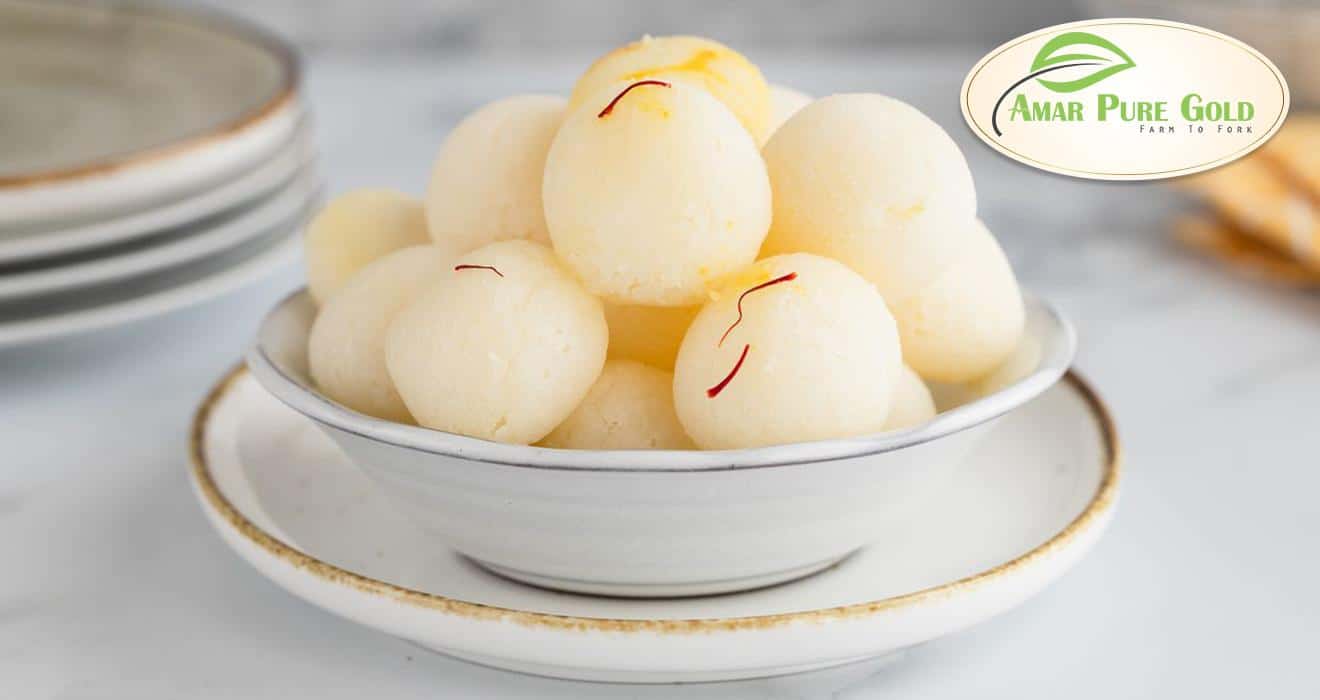
Rasgulla is a soft and spongy sweet made from chhena, which is fresh cottage cheese. These white balls are cooked in light sugar syrup until they become fluffy and juicy. Originating from eastern India, especially Odisha and West Bengal, Rasgulla has become popular across the country.
This sweet is especially loved during festivals like Durga Puja, Diwali, Raksha Bandhan, and other joyful occasions. Its light texture makes it a refreshing dessert after a heavy festive meal. Unlike richer sweets, Rasgulla feels soft, airy, and pleasantly sweet.
Rasgulla is also associated with purity and celebration because of its white colour and delicate taste. It is often served chilled, making it a perfect sweet for both summer and festive seasons. Its simplicity and elegance make it a timeless Indian dessert.
3. Kaju Katli
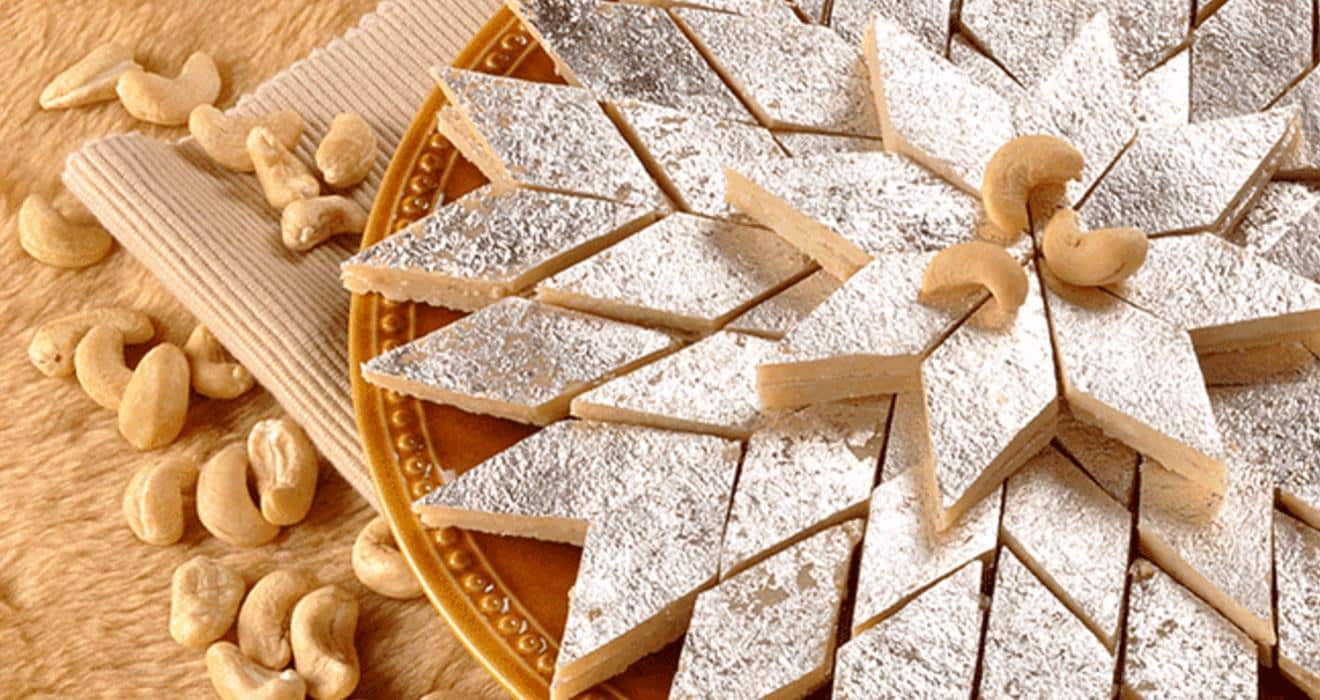
Kaju Katli is a premium Indian sweet made from cashew nuts, sugar, and ghee. It is usually cut into thin diamond-shaped pieces and often decorated with edible silver leaf. Its smooth texture and rich nutty flavour make it one of the most popular gifting sweets during festivals.
Diwali is almost incomplete without boxes of Kaju Katli being exchanged among family, friends, employees, and business partners. It is considered a classy and elegant sweet because of its rich ingredients and attractive appearance.
Kaju Katli is loved because it is not overly sweet and has a fine, luxurious taste. It is also a preferred choice for festive gifting because it looks premium, travels well, and is enjoyed by people of all ages. Whether given in traditional sweet boxes or modern gift hampers, Kaju Katli always adds a special touch to celebrations.
4. Ladoo
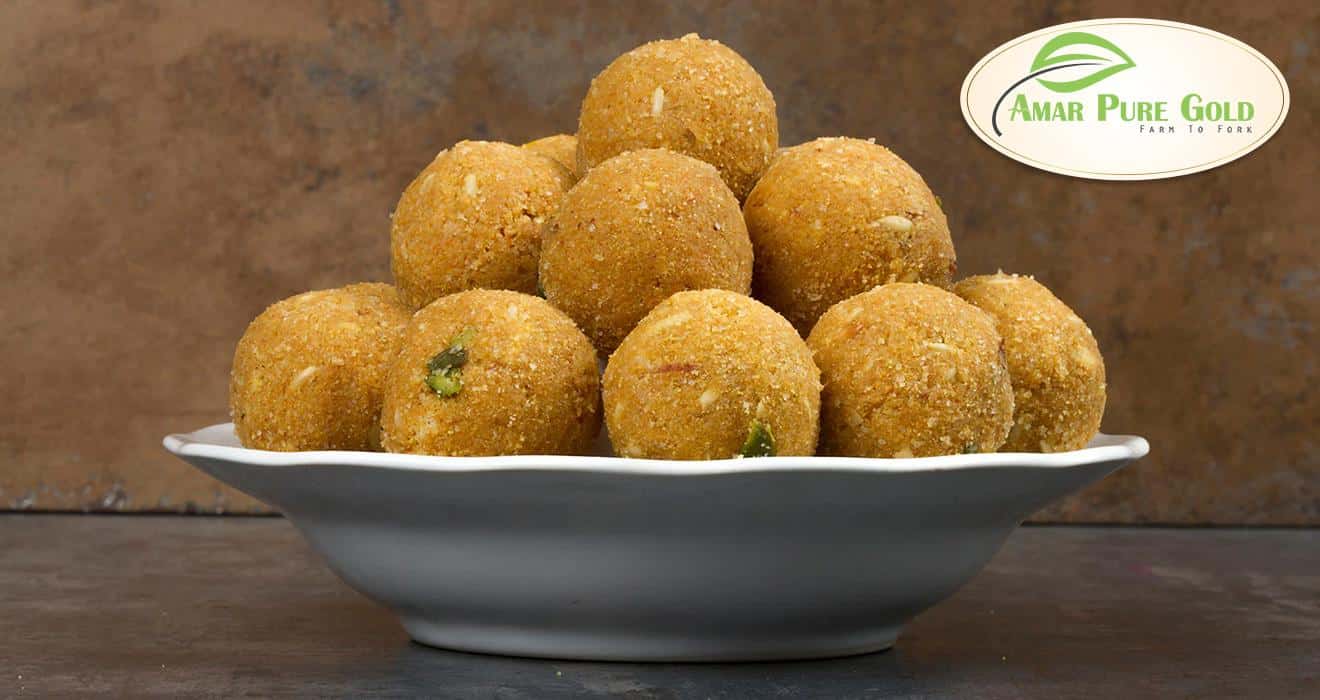
Ladoo is one of the most traditional and widely prepared sweets in India. It comes in many varieties such as Besan Ladoo, Motichoor Ladoo, Boondi Ladoo, Coconut Ladoo, Rava Ladoo, and Atta Ladoo. Each type has its own flavour, texture, and festive importance.
Ladoos are often prepared during Diwali, Ganesh Chaturthi, Janmashtami, Raksha Bandhan, weddings, and religious ceremonies. Motichoor Ladoo is especially popular as prasad and is often offered in temples. Besan Ladoo, made with gram flour, ghee, and sugar, is a favourite homemade sweet during festivals.
The round shape of Ladoo is considered auspicious and is associated with completeness and prosperity. Because of its long shelf life and easy serving style, Ladoo is also widely used in gifting and distribution during celebrations. It is a sweet that carries both taste and tradition.
5. Jalebi
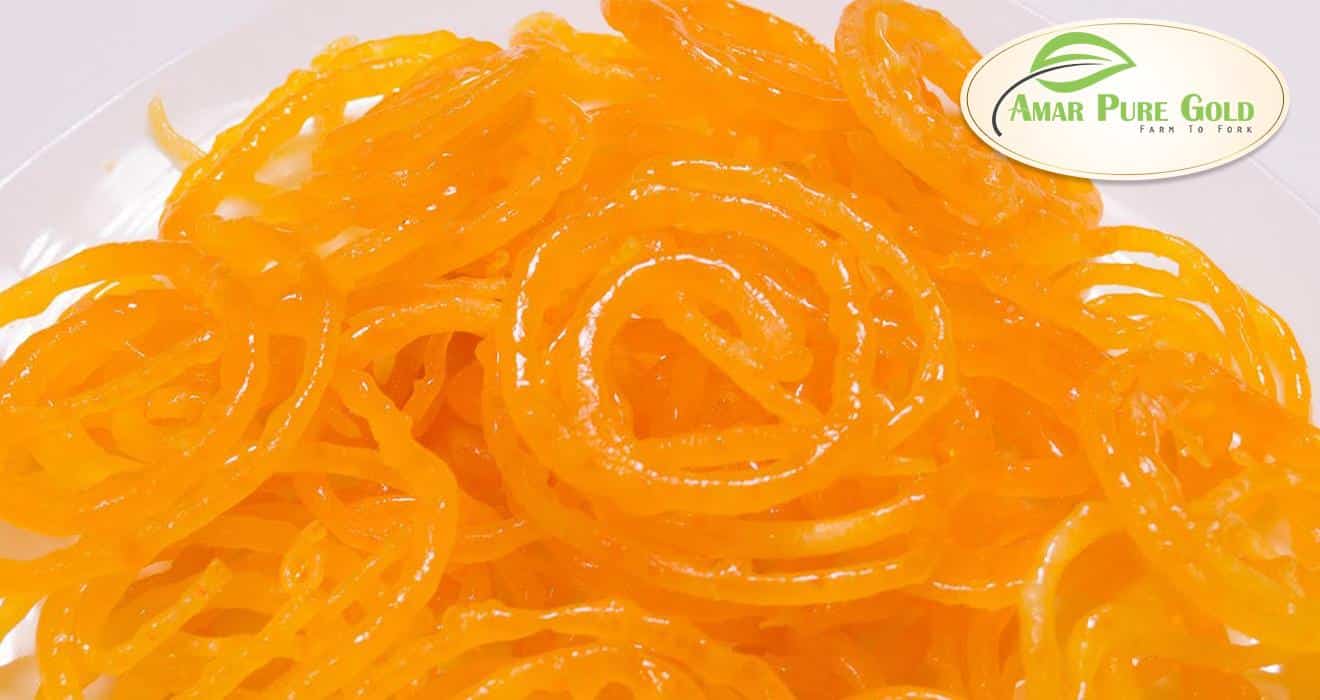
Jalebi is a crispy, juicy, spiral-shaped sweet that is loved across India. Made from fermented flour batter, it is deep-fried until crisp and then soaked in sugar syrup. The result is a bright orange sweet that is crunchy on the outside and syrupy on the inside.
Jalebi is popular during festivals like Dussehra, Diwali, Holi, Eid, and Independence Day celebrations. In many parts of India, Jalebi is enjoyed with rabri, milk, curd, or even poha. Its unique texture and vibrant colour make it a festive favourite.
What makes Jalebi special is its ability to create instant excitement. The sight of hot Jalebis being prepared in a sweet shop is enough to attract people. During festivals and fairs, Jalebi stalls are always crowded because this sweet carries a sense of nostalgia, joy, and celebration.
6. Barfi
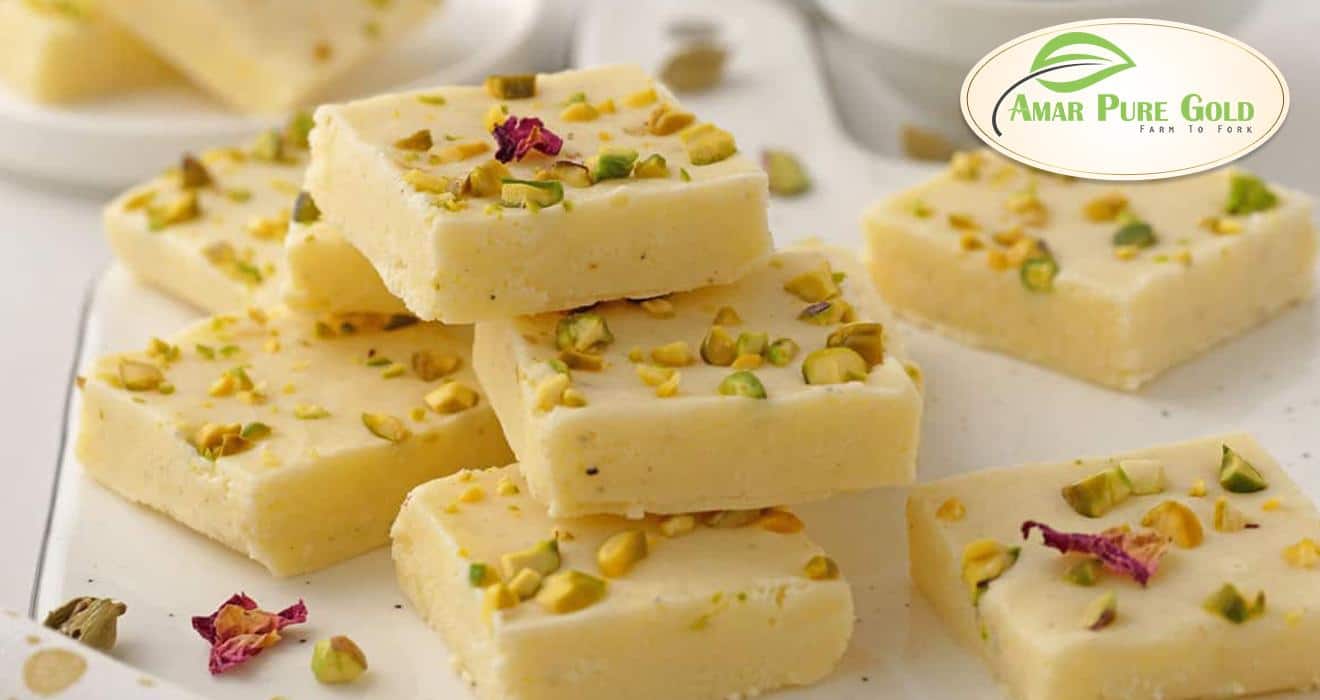
Barfi is a classic Indian sweet made mainly from milk solids, sugar, and flavouring ingredients. It comes in many varieties such as Milk Barfi, Pista Barfi, Coconut Barfi, Chocolate Barfi, Badam Barfi, and Mango Barfi. Its soft, dense texture and rich taste make it a common choice for festive occasions.
Barfi is widely prepared and gifted during Diwali, Raksha Bandhan, Holi, Navratri, and weddings. It is easy to cut into pieces, pack in boxes, and distribute among guests. Because of its variety, there is a Barfi for every taste preference.
Milk Barfi has a traditional flavour, Coconut Barfi adds a tropical touch, and Dry Fruit Barfi feels rich and premium. The versatility of Barfi makes it a favourite among sweet makers and customers alike. It is simple, elegant, and deeply connected to Indian celebrations.
7. Rasmalai
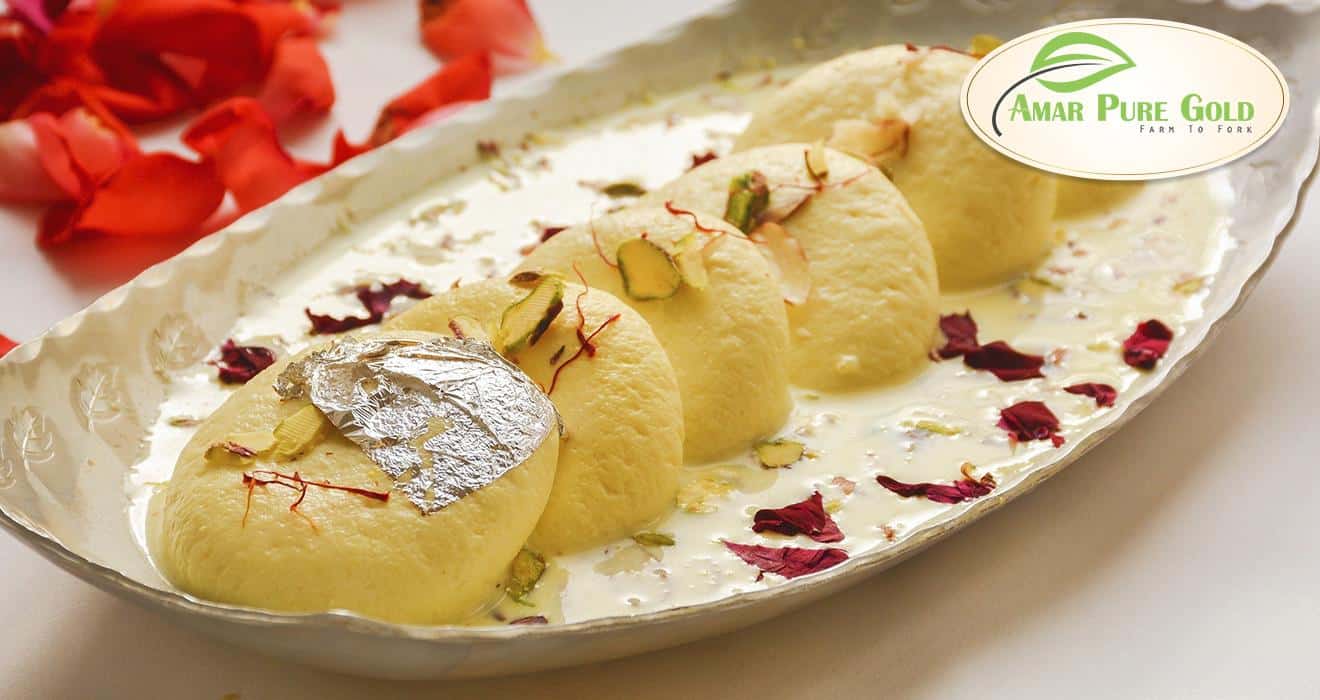
Rasmalai is a rich and luxurious Indian sweet made from soft chhena patties soaked in thickened, sweetened milk. The milk is usually flavoured with cardamom, saffron, pistachios, and almonds. This dessert is creamy, fragrant, and perfect for special occasions.
Rasmalai is commonly served during weddings, Diwali parties, Eid celebrations, anniversaries, and family functions. Its soft texture and royal presentation make it one of the most admired Indian desserts. Unlike syrup-based sweets, Rasmalai offers a creamy and refreshing experience.
This sweet is often served chilled, making it ideal after a festive meal. The combination of soft chhena and rich milk gives Rasmalai a delicate yet indulgent flavour. It is especially popular among those who enjoy milk-based sweets with a premium feel.
8. Peda
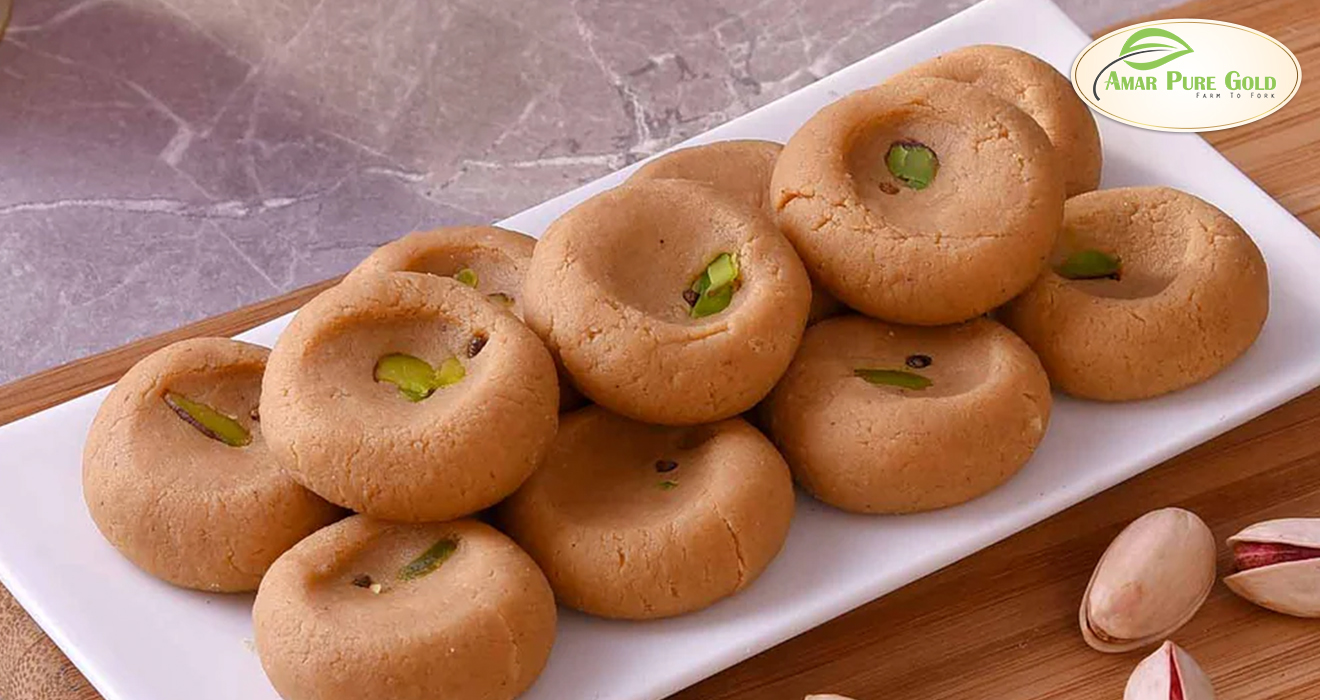
Peda is a traditional Indian sweet made from khoya, sugar, and cardamom. It is usually shaped into small, round, flat pieces and may be garnished with pistachios, almonds, or saffron. Peda has a rich, grainy texture and a deep milky flavour.
Mathura Peda is one of the most famous varieties and is closely associated with devotion and religious offerings. Peda is often offered as prasad in temples and is commonly distributed during festivals like Janmashtami, Diwali, Raksha Bandhan, and Navratri.
This sweet holds a special place in Indian culture because it is connected with blessings and auspicious beginnings. Whether it is a birth celebration, exam success, new business opening, or religious ceremony, Peda is often shared as a symbol of good news and happiness.
9. Soan Papdi
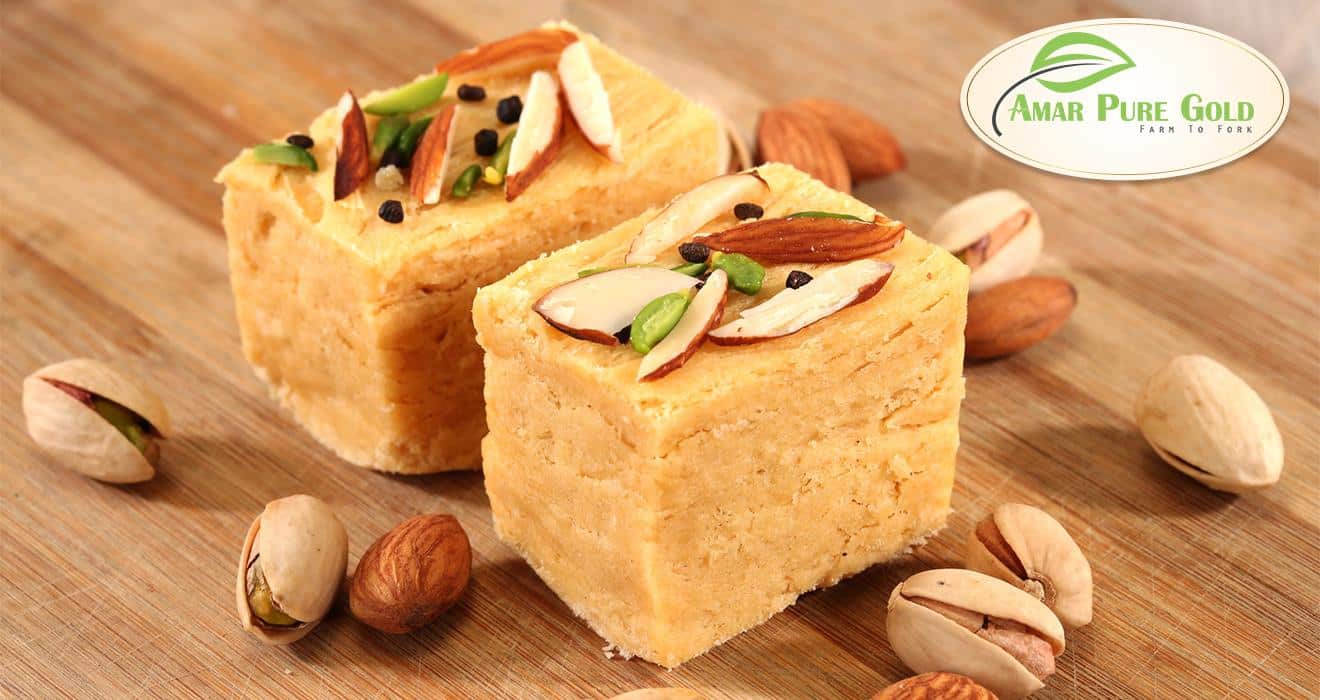
Soan Papdi is a flaky, light, and crispy Indian sweet made from gram flour, flour, sugar, and ghee. It has a unique fibrous texture that melts in the mouth. Usually cut into cube-shaped pieces, it is often flavoured with cardamom and garnished with nuts.
Soan Papdi is especially popular during Diwali because it is widely exchanged as a gift. Its light texture, affordable price, and good shelf life make it a practical festive sweet for large-scale gifting. It is commonly found in homes, offices, shops, and festive hampers during the season.
Although it is simple compared to some richer sweets, Soan Papdi has a charm of its own. Its delicate layers and crisp sweetness make it enjoyable with tea or after meals. For many people, the arrival of Soan Papdi boxes signals the beginning of the festive season.
10. Mysore Pak
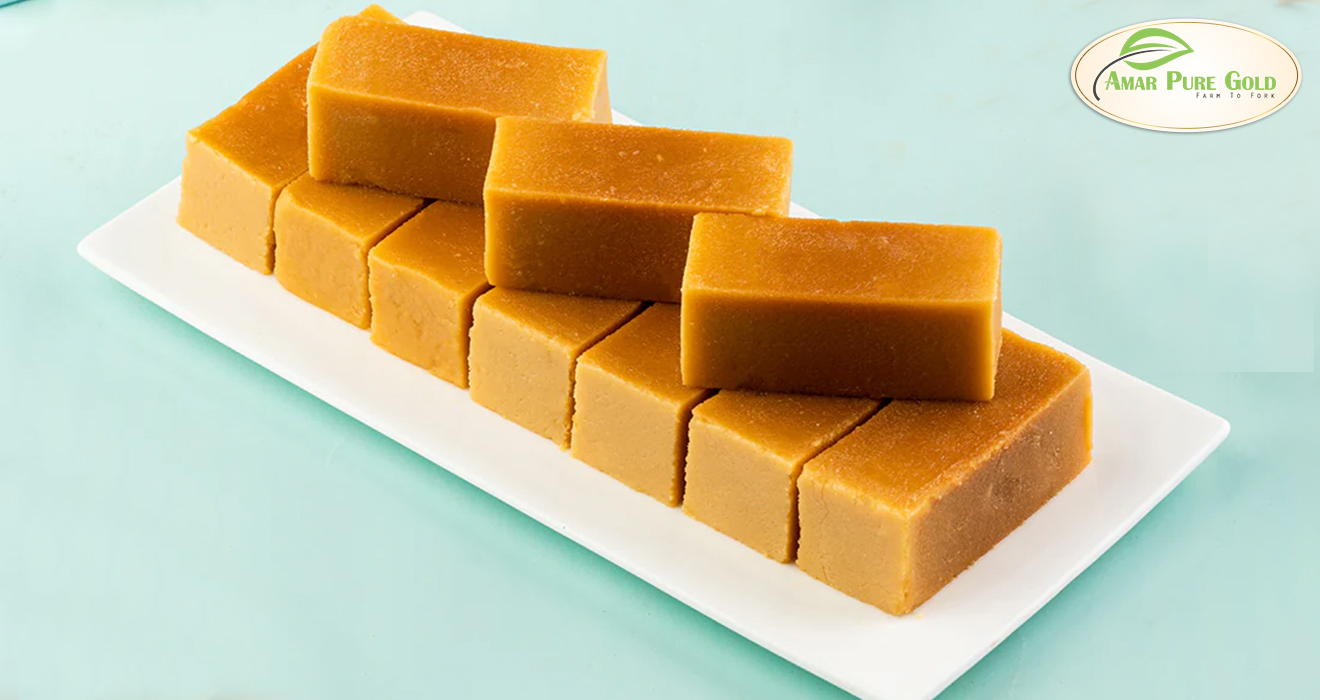
Mysore Pak is a rich and traditional sweet from Karnataka, made with gram flour, ghee, and sugar. It has a deep golden colour and a rich, buttery taste. Depending on the preparation style, Mysore Pak can be soft and melt-in-the-mouth or slightly firm and crumbly.
This sweet is especially popular during Diwali, weddings, South Indian festivals, and religious functions. It is known for its generous use of ghee, which gives it a festive richness and irresistible aroma.
Mysore Pak is a perfect example of how simple ingredients can create an extraordinary sweet. Its royal origin and traditional preparation make it a proud part of India’s sweet heritage. For those who love ghee-based sweets, Mysore Pak is a festive delight that never disappoints.
Why Indian Sweets Are Important During Festivals
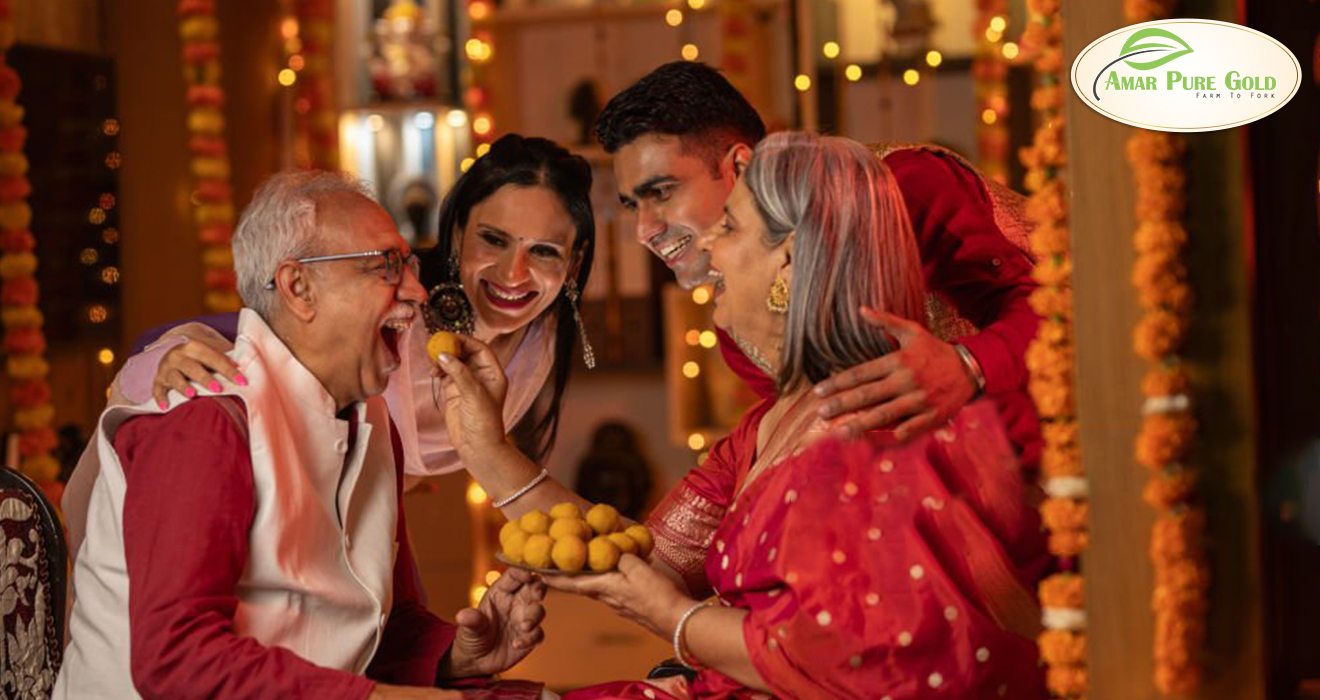
Indian sweets are deeply connected with emotions, rituals, and relationships. During festivals, sweets are offered to gods as prasad, shared with guests, gifted to relatives, and distributed among neighbours and employees. They represent good wishes, prosperity, sweetness in relationships, and the joy of togetherness.
Every sweet has its own cultural meaning. Ladoo is considered auspicious, Peda is linked with blessings, Kaju Katli represents premium gifting, Rasgulla reflects softness and purity, and Gulab Jamun symbolizes indulgence and celebration. These sweets are more than food; they are part of India’s festive identity.
Sweets also help preserve family traditions. Many households still prepare special mithai at home during festivals, following recipes passed down through generations. The process of making sweets together brings families closer and creates memories that last for years.
The Role of Sweets in Festive Gifting
Festive gifting is one of the biggest reasons Indian sweets remain so popular. A box of sweets is considered a thoughtful and respectful gift. During Diwali, Raksha Bandhan, Holi, Eid, Christmas, weddings, and corporate celebrations, sweet boxes are exchanged as a symbol of love and goodwill.
Today, traditional sweets are also presented in modern packaging, luxury hampers, and assorted gift boxes. Brands combine mithai with dry fruits, chocolates, savouries, and festive decorations to create attractive gifting options. However, the emotional value of Indian sweets remains unchanged.
Whether it is a small box of Ladoos or a premium hamper of Kaju Katli and Dry Fruit Barfi, sweets always carry the message of celebration.
Conclusion
Indian festivals are known for their lights, colours, rituals, music, family gatherings, and delicious food. Among all these elements, sweets hold a very special place. They add flavour to celebrations and make every occasion more memorable.
Gulab Jamun, Rasgulla, Kaju Katli, Ladoo, Jalebi, Barfi, Rasmalai, Peda, Soan Papdi, and Mysore Pak are among the most popular Indian sweets that continue to bring joy to people across generations. Each sweet has its own story, taste, and festive importance.
No matter which festival is being celebrated, a plate of mithai always makes the moment warmer and happier. That is why Indian sweets are not just desserts; they are a beautiful expression of love, tradition, and celebration.