
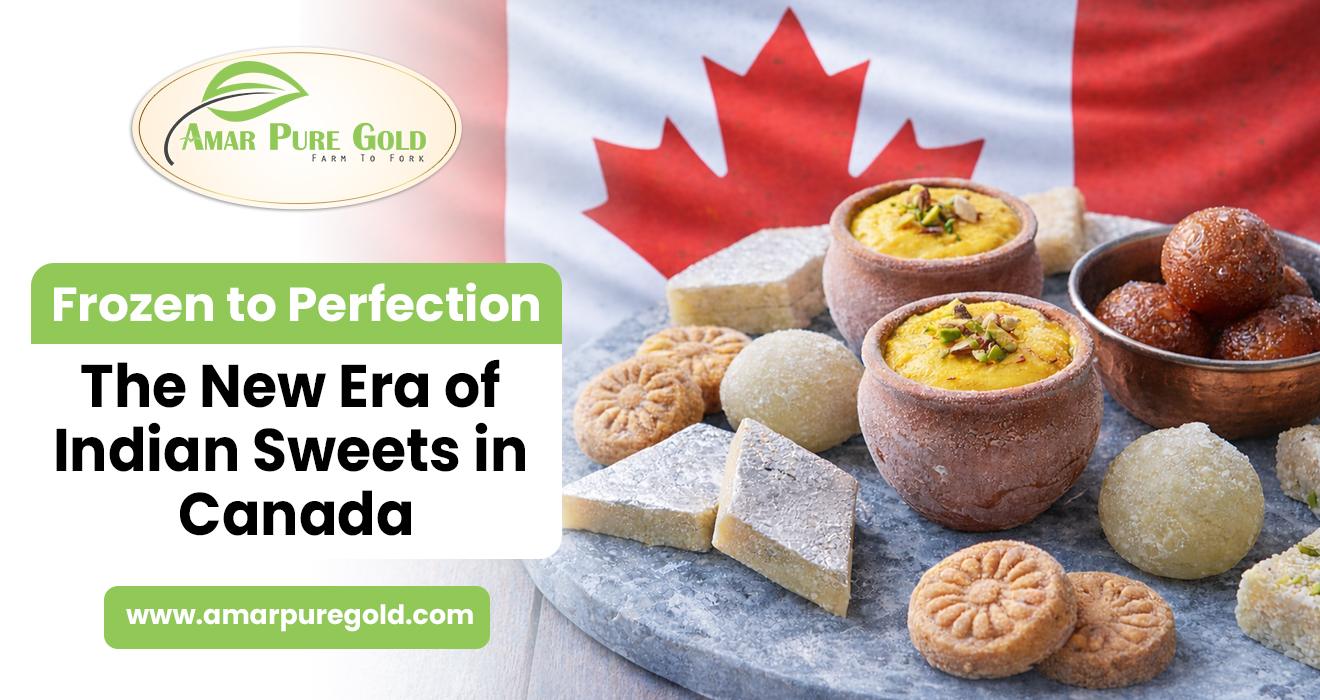
Although Indian desserts have traditionally been deeply rooted in regional cultures and local availability, their reach was once limited by geography, shelf life, and logistics. Many iconic sweets could only be enjoyed in specific parts of India, making it difficult for global consumers especially in countries like Canada to experience authentic Indian mithai in its true form.
Frozen Indian sweets are transforming the way traditional desserts are consumed across the world. With advancements in freezing technology, authentic Indian mithai is now available in international markets, allowing consumers to enjoy desserts that taste just like freshly prepared sweets from India.
The Growing Demand for Indian Sweets in Canada
Canada, particularly cities like Surrey, Vancouver, and Toronto, has seen a significant rise in demand for Indian sweets. This demand is driven not only by the South Asian diaspora but also by a growing number of consumers exploring global cuisines.
However, traditional mithai comes with challenges—short shelf life, delicate textures, and the need for precise storage conditions. Frozen Indian sweets solve these challenges effectively by offering:
- Extended shelf life
- Consistent quality
- Ease of storage and transportation
- Availability throughout the year
This makes frozen mithai an ideal solution for retailers, restaurants, and consumers alike.
How Freezing Technology Preserves Authenticity
A common misconception about frozen food is that it compromises taste and quality. In reality, modern freezing techniques are designed to preserve food at its peak freshness.
At Amar Pure Gold, traditional recipes are followed using high-quality ingredients such as pure ghee, premium nuts, and authentic dairy bases. Once prepared, the sweets are frozen using advanced methods that lock in:
- Texture – maintaining softness, flakiness, or sponginess
- Flavour – preserving the richness of ingredients
- Moisture – especially important for syrup-based sweets
- Aroma – retaining the signature fragrance of mithai
Importantly, these sweets are frozen without the use of preservatives, ensuring a clean and natural product.
When thawed properly, frozen Indian sweets deliver an experience that closely matches freshly made desserts—making them a reliable and convenient option for consumers in Canada.
Shelf Life and Convenience
One of the biggest advantages of frozen Indian sweets is their extended shelf life. When stored at proper freezing temperatures, these products can last up to 24 months without compromising quality.
This makes them highly suitable for:
- Bulk purchasing
- Festive gifting
- Retail distribution
- Catering and hospitality businesses
Consumers also benefit from the convenience of having authentic Indian sweets readily available at home, without the need for frequent purchases.
Five Frozen Indian Sweets That Truly Deliver Taste and Tradition
Here are five frozen Indian sweets that stand out for their ability to maintain authenticity, flavour, and texture:
1. Gulab Jamun
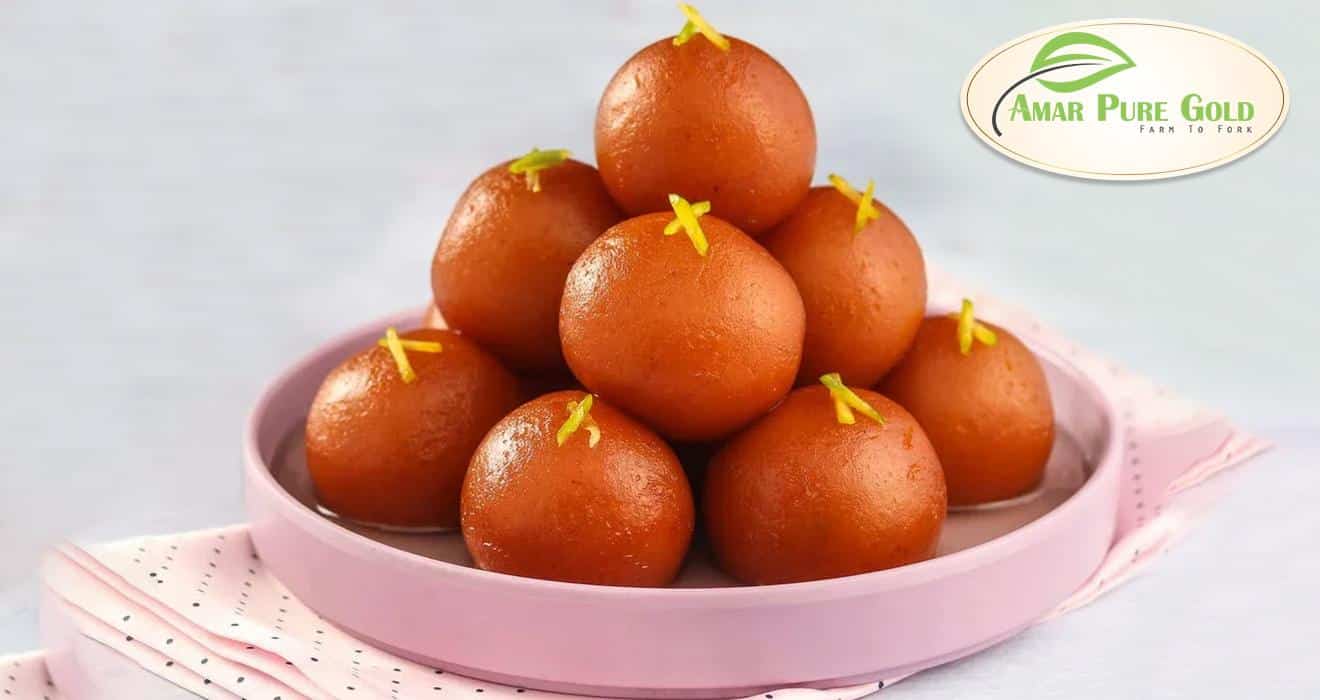
Gulab Jamun is one of the most loved Indian desserts worldwide. Made from khoya, deep-fried, and soaked in sugar syrup infused with cardamom, it is known for its soft and juicy texture.
Freezing helps retain the syrup absorption within each piece. When thawed, Gulab Jamun remains moist, soft, and rich—offering the same indulgent experience as freshly prepared mithai.
2. Motichoor Ladoo
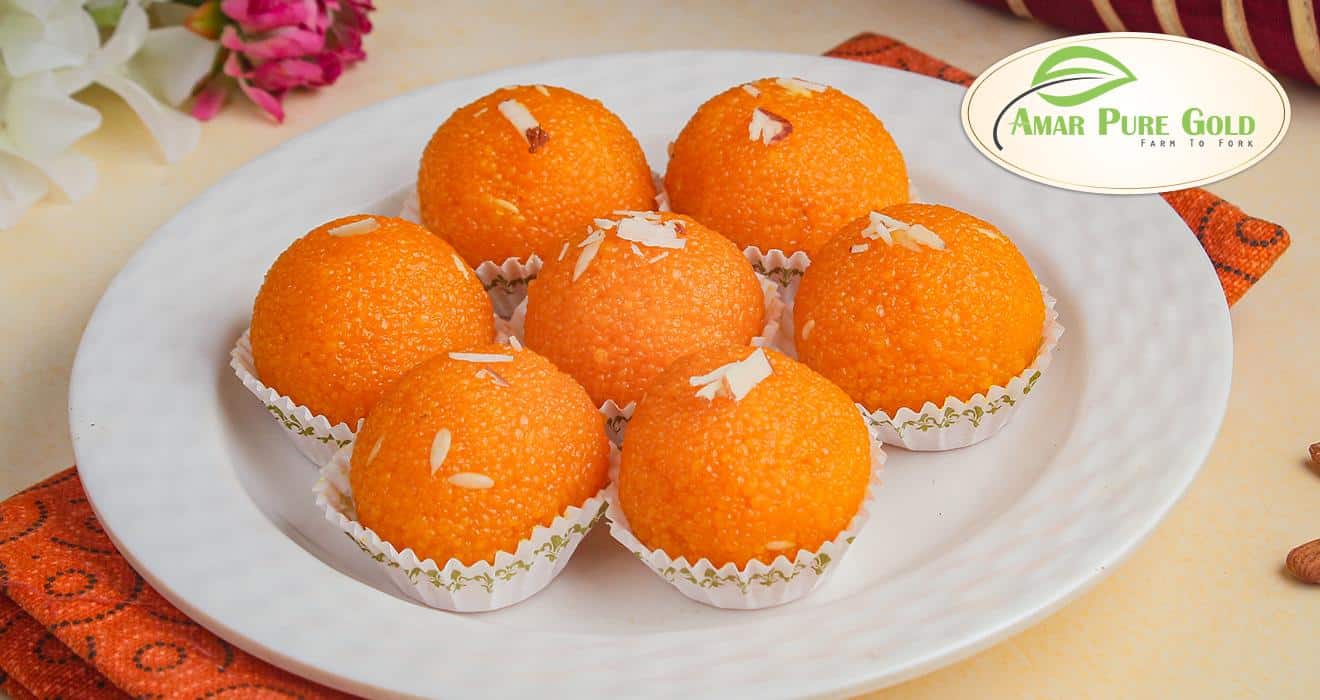
Motichoor Ladoo is crafted from fine boondi pearls made using besan (chickpea flour), combined with ghee, sugar, and dry fruits.
Its signature grainy yet soft texture is what makes it unique. The freezing process helps maintain this delicate structure while preserving flavour and freshness for a longer duration. This ensures that each bite delivers the same traditional taste and consistency.
3.Kaju Katli
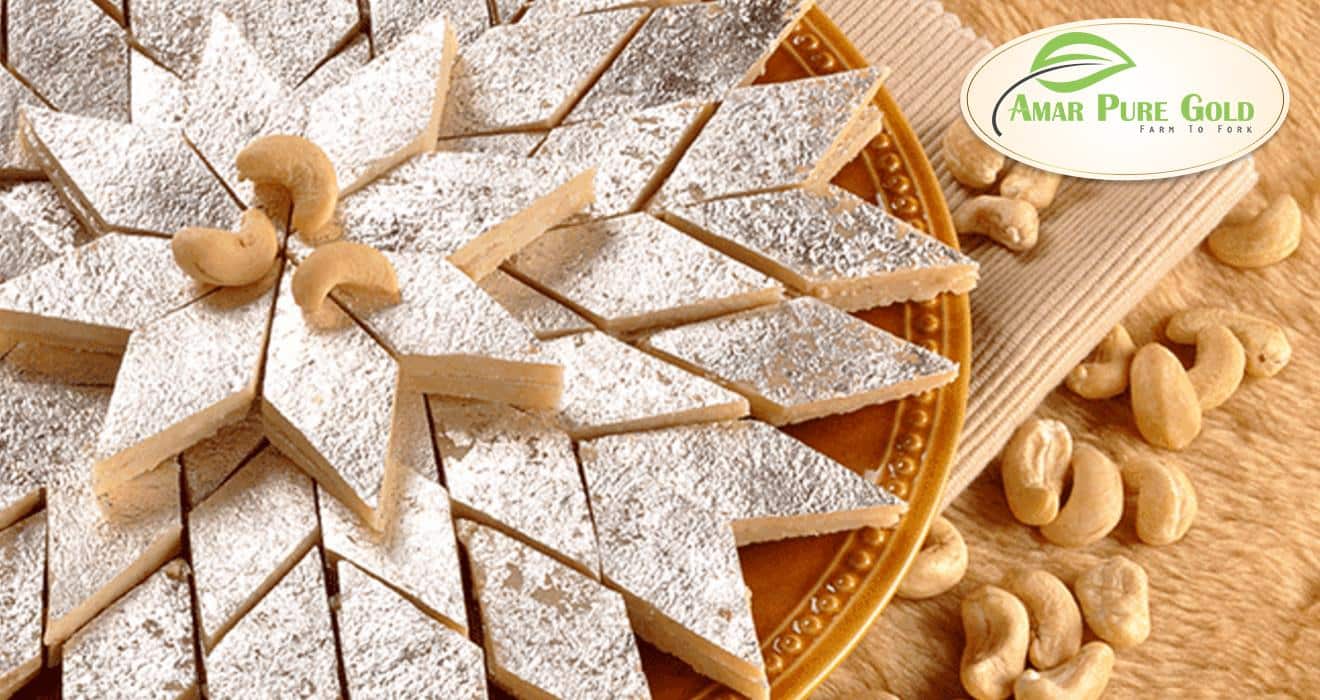
Kaju Katli is a premium Indian sweet known for its smooth texture and rich nutty flavour. Made using high-quality cashew paste, sugar, and ghee, it is often associated with celebrations and gifting.
Controlled freezing helps retain its softness, sheen, and delicate mouthfeel. When thawed, Kaju Katli continues to offer a luxurious taste experience, making it a popular choice among consumers in Canada.
4.Bengali Cham Cham
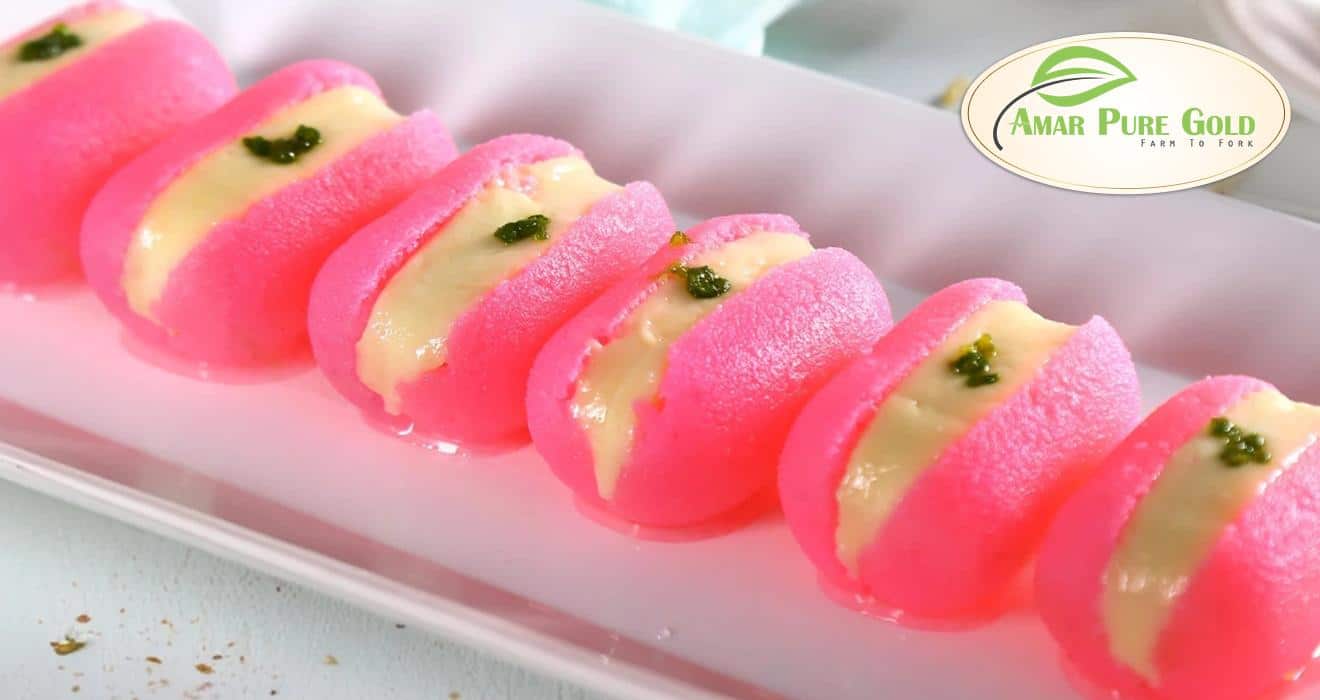
Cham Cham, a traditional sweet from Bengal, is made from soft chenna and soaked in lightly sweetened syrup. The filled variant adds an extra layer of richness and indulgence.
Freezing preserves its spongy texture and syrup content, ensuring that the dessert remains soft and juicy even after thawing. This allows consumers to enjoy authentic regional Indian sweets without compromise.
5. Badam Patisa
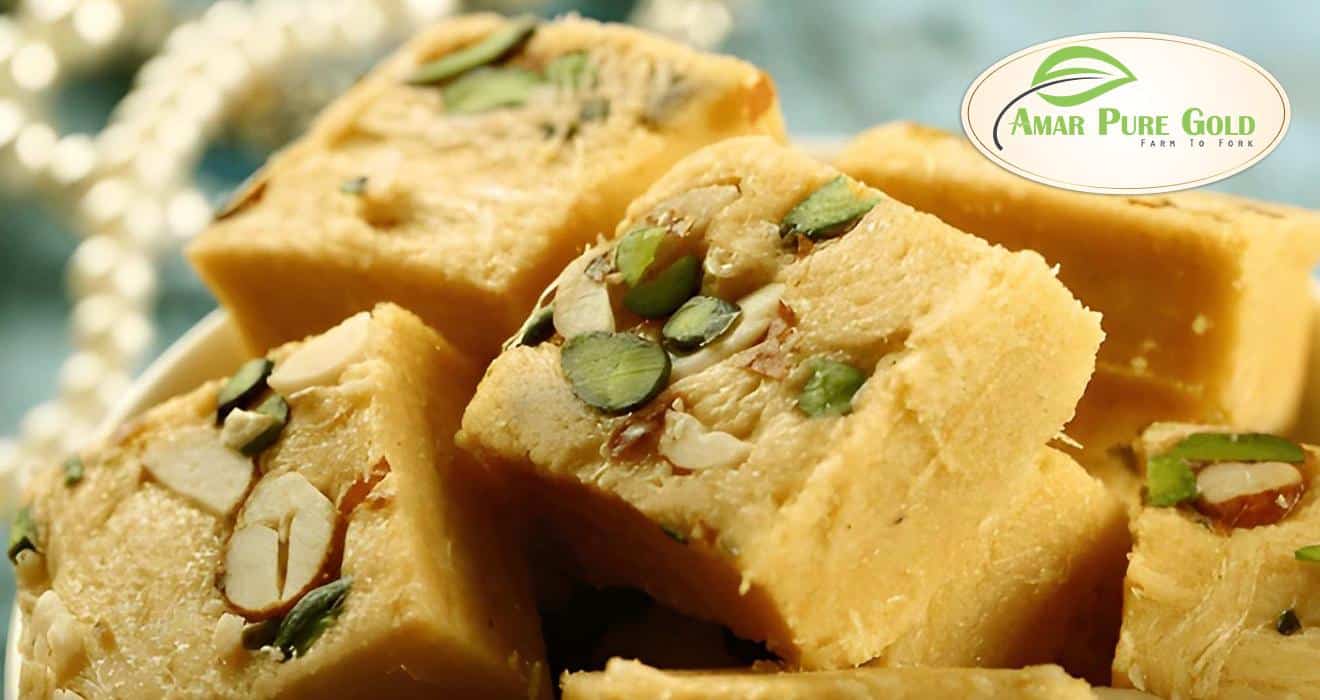
Badam Patisa is known for its light, flaky texture and melt-in-the-mouth consistency. Made from gram flour, sugar, ghee, and almonds, it requires precise preparation techniques.
The freezing process helps maintain its delicate layers and crispness. Even after thawing, Badam Patisa retains its signature texture, delivering a premium and traditional sweet experience.
Bridging Tradition and Global Convenience
Frozen Indian sweets are more than just a modern innovation—they represent a bridge between tradition and global accessibility. They allow Indian culture and flavours to travel across borders without losing their authenticity.
For Canada’s diverse and evolving food market, frozen mithai provides a scalable and reliable way to meet consumer demand while maintaining high standards of quality.
Brands like Amar Pure Gold are playing a key role in this transformation by combining traditional recipes with advanced food technology.
Conclusion
Indian sweets have always held a special place in celebrations, traditions, and everyday indulgence. With the advancement of freezing technology, these sweets are no longer limited by geography.
From Gulab Jamun to Badam Patisa, frozen Indian sweets are proving that it is possible to preserve taste, texture, and tradition—while offering unmatched convenience.