
When it comes to Indian sweets, the variety is endless each region offering its own signature delicacies. Yet, among this vast spread of mithai, Doda Barfi stands tall as one of the richest, most indulgent, and deeply satisfying sweets. Known for its dense texture, roasted flavor, and caramelized sweetness, Doda Barfi is not just a dessert it is an experience rooted in tradition and taste.
From its humble beginnings in Punjab to becoming a premium sweet in both domestic and international markets, Doda Barfi has carved a unique identity. In this blog, we’ll explore everything about Doda Barfi its origin, ingredients, preparation, taste, storage, and growing global demand.
What is Doda Barfi?
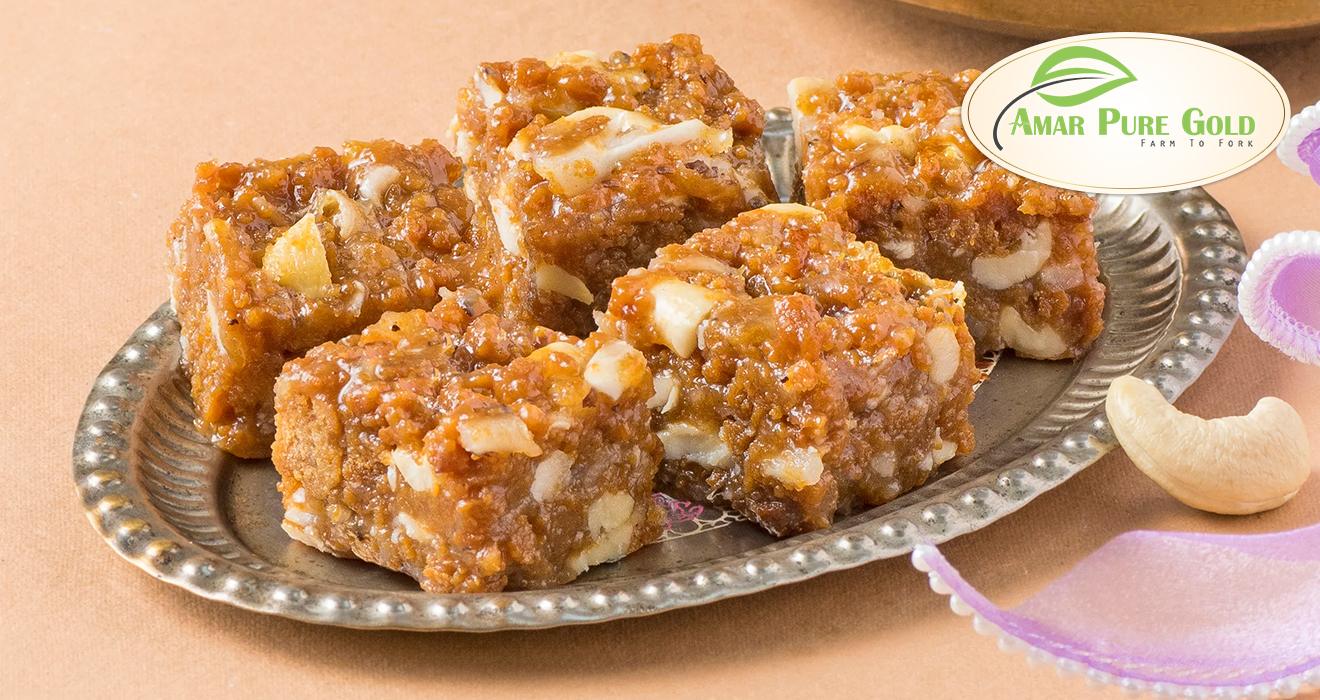
Doda Barfi, also known as Doda Burfi, is a traditional Indian sweet made primarily from milk solids (khoya), wheat flour (atta), sugar, and ghee. What sets it apart from other types of barfi is its grainy, slightly chewy texture and deep brown color, which comes from slow roasting and caramelization.
Unlike softer barfis like kaju katli or milk barfi, Doda Barfi is:
- Heavier and more filling
- Slightly crumbly yet moist
- Rich in flavor with a roasted, nutty taste
It is often garnished with dry fruits like almonds, pistachios, and cashews, adding both crunch and visual appeal.
Origin and Cultural Significance
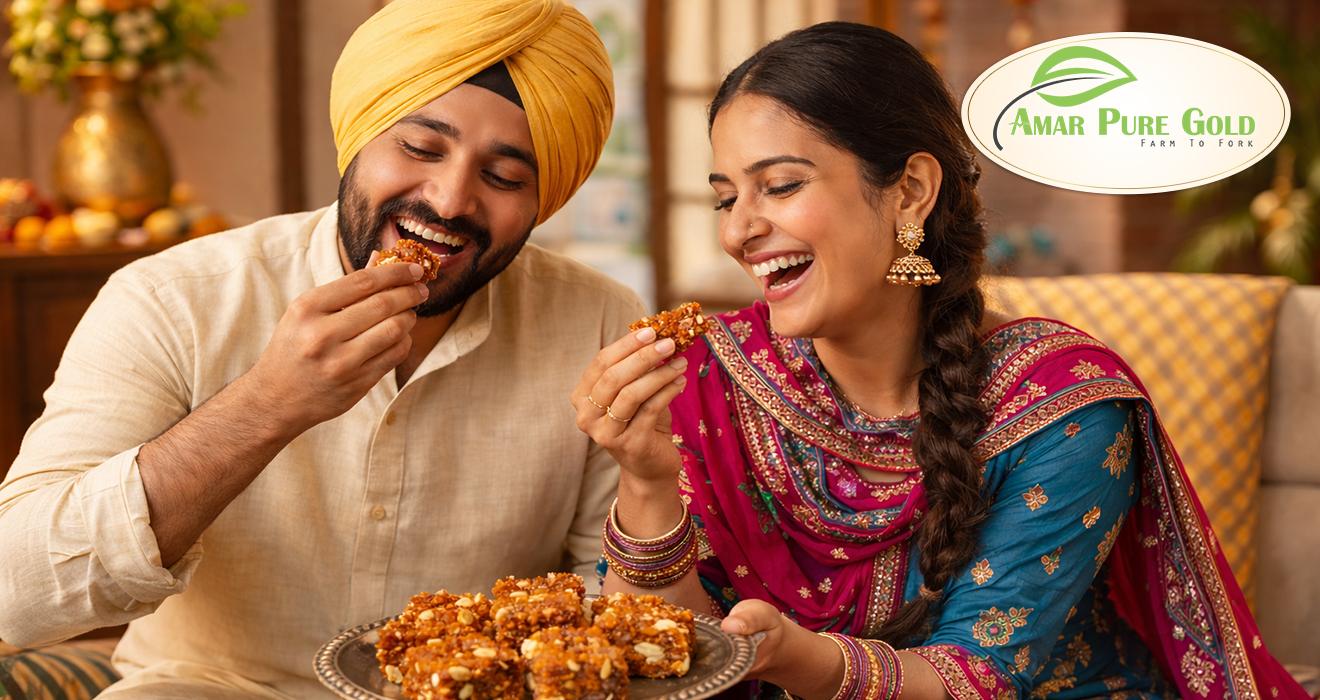
Doda Barfi originates from Punjab, particularly from cities like Ludhiana, Amritsar, and nearby regions, where it has been a part of local sweet shops for decades. Traditionally, it was prepared in households using leftover milk solids, making it a practical yet delicious dessert.
Over time, it gained popularity and became a staple for:
- Festivals like Diwali, Baisakhi, and Lohri
- Weddings and celebrations
- Gifting occasions, especially in North India
Its rich taste and longer shelf life made it ideal for travel and sharing, which contributed to its widespread popularity.
Ingredients That Define Its Richness
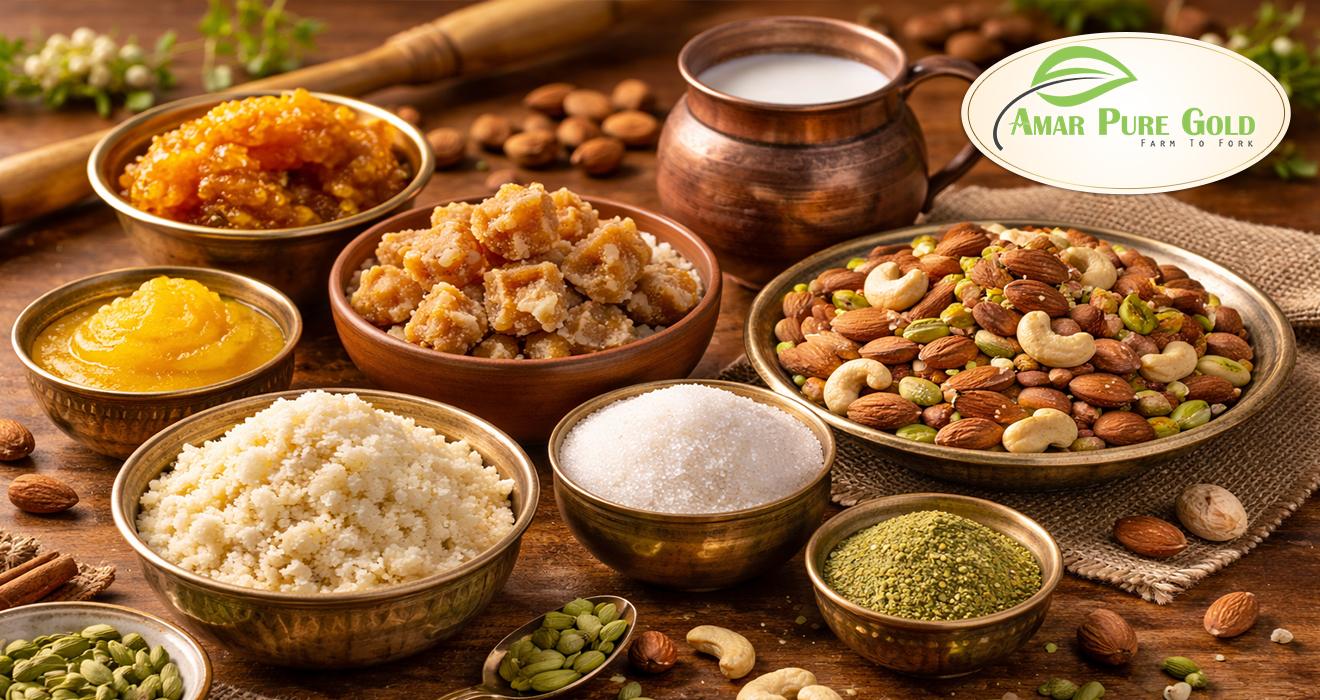
The beauty of Doda Barfi lies in its simple yet powerful combination of ingredients, each playing a crucial role:
- Khoya (Mawa): This is the base ingredient made by reducing milk. It gives Doda Barfi its creamy richness.
- Wheat Flour (Atta): Roasted in ghee, atta provides the signature grainy texture and earthy flavor.
- Ghee (Clarified Butter): Essential for roasting and enhancing aroma, ghee adds depth and indulgence.
- Sugar or Jaggery: Sweetens the barfi while also contributing to its caramelized taste. Jaggery is often used for a more traditional, robust flavor.
- Dry Fruits: Almonds, cashews, and pistachios add crunch and nutritional value.
- Cardamom Powder: A classic Indian flavoring agent that enhances the overall aroma.
- Milk: Helps in binding the ingredients and achieving the right consistency.
Traditional Recipe of Doda Barfi
Making Doda Barfi at home requires patience and careful cooking, as the flavor develops through slow roasting and mixing.
Ingredients:
- 1 cup khoya (mawa)
- ½ cup wheat flour (atta)
- ½ cup sugar (or jaggery)
- ½ cup ghee
- ¼ cup chopped dry fruits
- ½ tsp cardamom powder
- ¼ cup milk
Method:
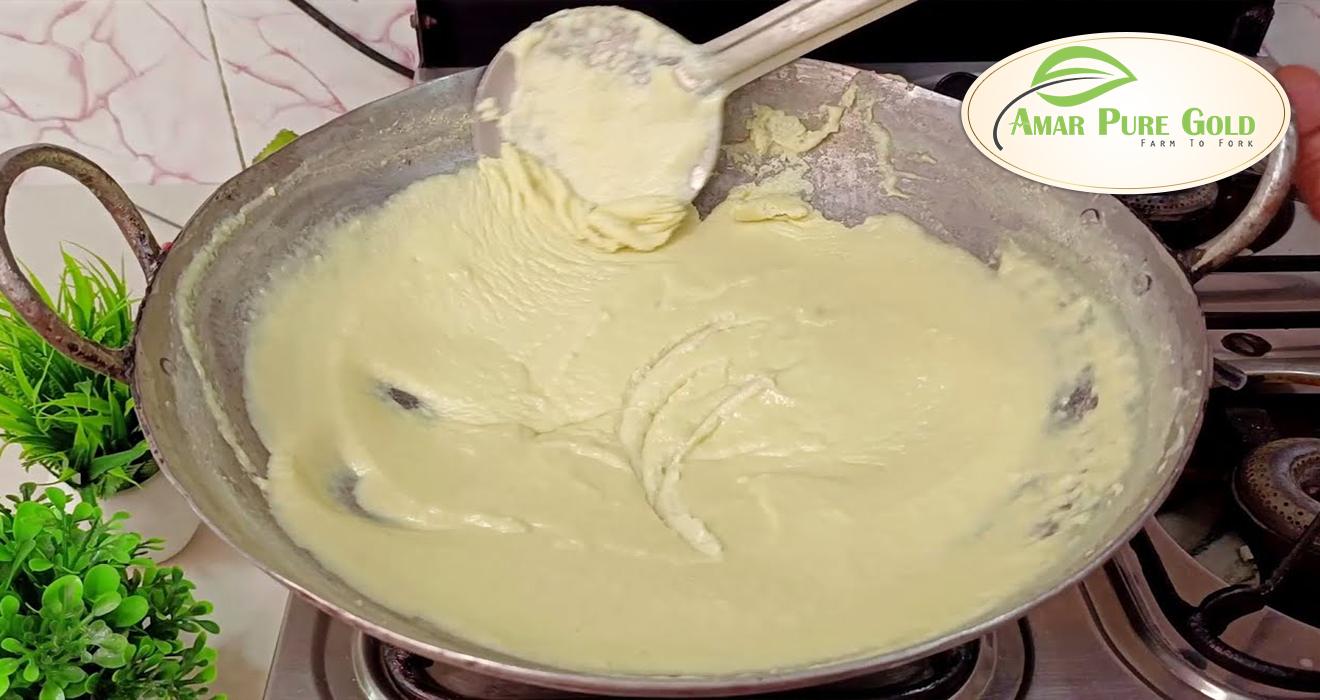
- Roast the Wheat Flour
Heat ghee in a heavy-bottom pan. Add wheat flour and roast on low flame. Stir continuously until it turns golden brown and releases a nutty aroma. This step is crucial as it builds the base flavor. - Add Khoya
Crumble the khoya and mix it into the roasted atta. Cook the mixture until it becomes smooth and starts leaving ghee from the sides. - Prepare Sugar Syrup
In a separate pan, melt sugar with a small amount of water or milk. Cook until it reaches a slightly thick, sticky consistency (not too thin). - Combine Mixtures
Pour the sugar syrup into the atta-khoya mixture. Stir continuously to avoid lumps and ensure even mixing. - Add Flavor and Nuts
Mix in cardamom powder and chopped dry fruits. Cook for a few more minutes until the mixture thickens. - Set the Barfi
Transfer the mixture to a greased tray or plate. Spread evenly using a spatula. - Cool and Cut
Allow it to cool completely. Once set, cut into square or diamond-shaped pieces.
Texture, Taste, and Aroma
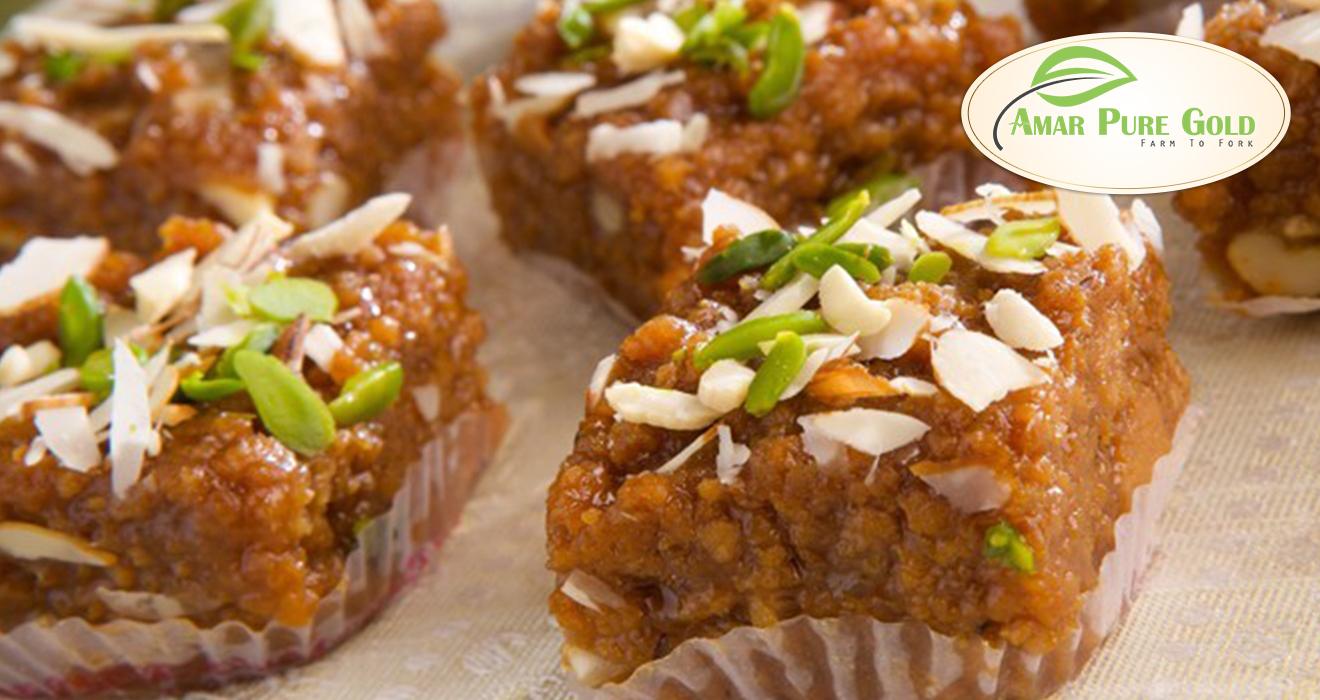
Doda Barfi offers a multi-dimensional sensory experience:
- Texture: Grainy, slightly chewy, and dense
- Taste: Rich, caramelized, mildly smoky, with a nutty undertone
- Aroma: A blend of roasted flour, ghee, and cardamom
Unlike overly sugary sweets, Doda Barfi strikes a balance, making it suitable even for those who prefer less sweetness.
Nutritional Perspective
While Doda Barfi is undeniably indulgent, it also provides:
- Energy from carbohydrates (atta and sugar)
- Healthy fats from ghee and nuts
- Protein and calcium from milk solids
However, like all traditional sweets, it is best enjoyed in moderation.
Shelf Life and Storage
One of the biggest advantages of Doda Barfi is its relatively longer shelf life compared to other milk-based sweets.
- Room Temperature: 5–7 days (in cool, dry conditions)
- Refrigerated: Up to 15 days
- Frozen: Up to 12–24 months with proper packaging
Its durability makes it ideal for bulk production, gifting, and export.
Rise in Global Markets
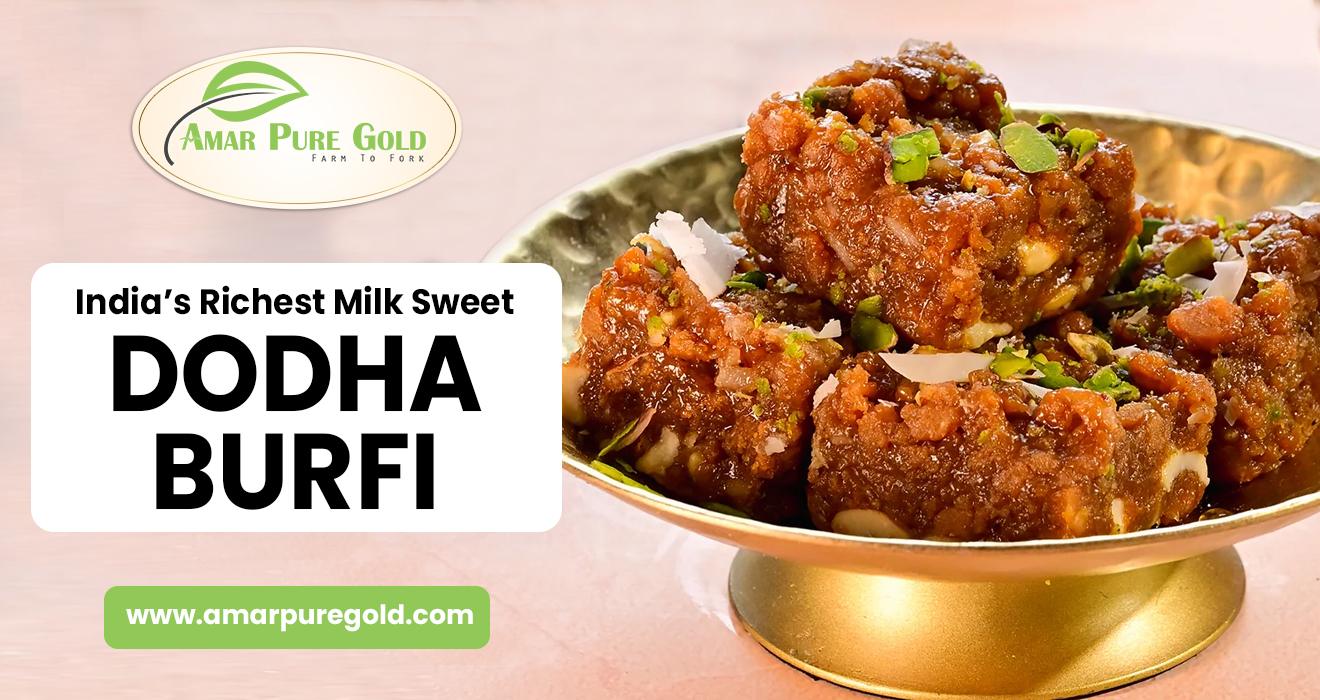
In recent years, Doda Barfi has gained significant traction in international markets such as Canada, the USA, the UK, and Australia. This growth is driven by several factors:
- Increasing demand for authentic Indian sweets among NRIs
- Availability of frozen mithai that retains freshness and taste
- Growing curiosity among global consumers for ethnic desserts
- Strong distribution networks and improved packaging technologies
Brands are now focusing on maintaining traditional taste while ensuring modern standards of hygiene, packaging, and shelf stability.
Modern Innovations in Doda Barfi
While the traditional recipe remains popular, modern variations have also emerged:
- Chocolate Doda Barfi
- Jaggery-based healthier versions
- Low-sugar or sugar-free options
- Fusion flavors with coffee or cocoa
These innovations help attract younger consumers while preserving the essence of the original sweet.
Occasions to Enjoy Doda Barfi
Doda Barfi is a versatile sweet that fits into multiple occasions:
- Festivals: Diwali, Baisakhi, Raksha Bandhan
- Family celebrations and weddings
- Corporate gifting and bulk orders
- Daily indulgence with tea or coffee
Its rich taste makes it perfect for both special occasions and everyday treats.
Final Thoughts
Doda Barfi is more than just a traditional mithai it is a symbol of richness, heritage, and culinary craftsmanship. Its unique texture, deep flavor, and satisfying bite make it stand out in the crowded world of Indian sweets.
As it continues to travel beyond Indian borders and win hearts globally, Doda Barfi proves that authentic taste never goes out of style.
Whether enjoyed fresh from a local halwai or delivered in perfectly preserved frozen packs, one thing remains constant every bite of Doda Barfi is a celebration of true Indian indulgence.
Frequently Asked Questions About Doda Barfi
What is Doda Burfi made of?
Doda Burfi is made using khoya (milk solids), wheat flour (atta), sugar or jaggery, and desi ghee. It is often enriched with dry fruits like almonds and cashews and flavored with cardamom, giving it a rich, grainy texture and caramelized taste.
What is Doda Barfi called in English?
Doda Barfi is generally referred to as a “Caramelized Milk Fudge” or “Indian Milk Fudge with Wheat Flour” in English. However, due to its unique identity, it is widely known globally by its original name, Doda Barfi.
Why is it called Doda Barfi?
The term “Doda” is believed to refer to the grainy, coarse texture of the sweet, which comes from roasted wheat flour and milk solids. Combined with “Barfi” (a category of Indian milk sweets), the name reflects both its texture and traditional sweet classification.
What is the history behind Doda Barfi?
Doda Barfi originated in Punjab, where it was traditionally prepared using leftover milk solids and basic kitchen ingredients. Over time, it evolved from a homemade sweet into a popular mithai in local halwai shops, especially for festivals and special occasions. Its rich taste and longer shelf life helped it gain widespread popularity across India.
Which state made Doda Barfi?
Doda Barfi is originally from the state of Punjab, India, particularly popular in cities like Ludhiana and Amritsar, where it is still widely made and enjoyed.